
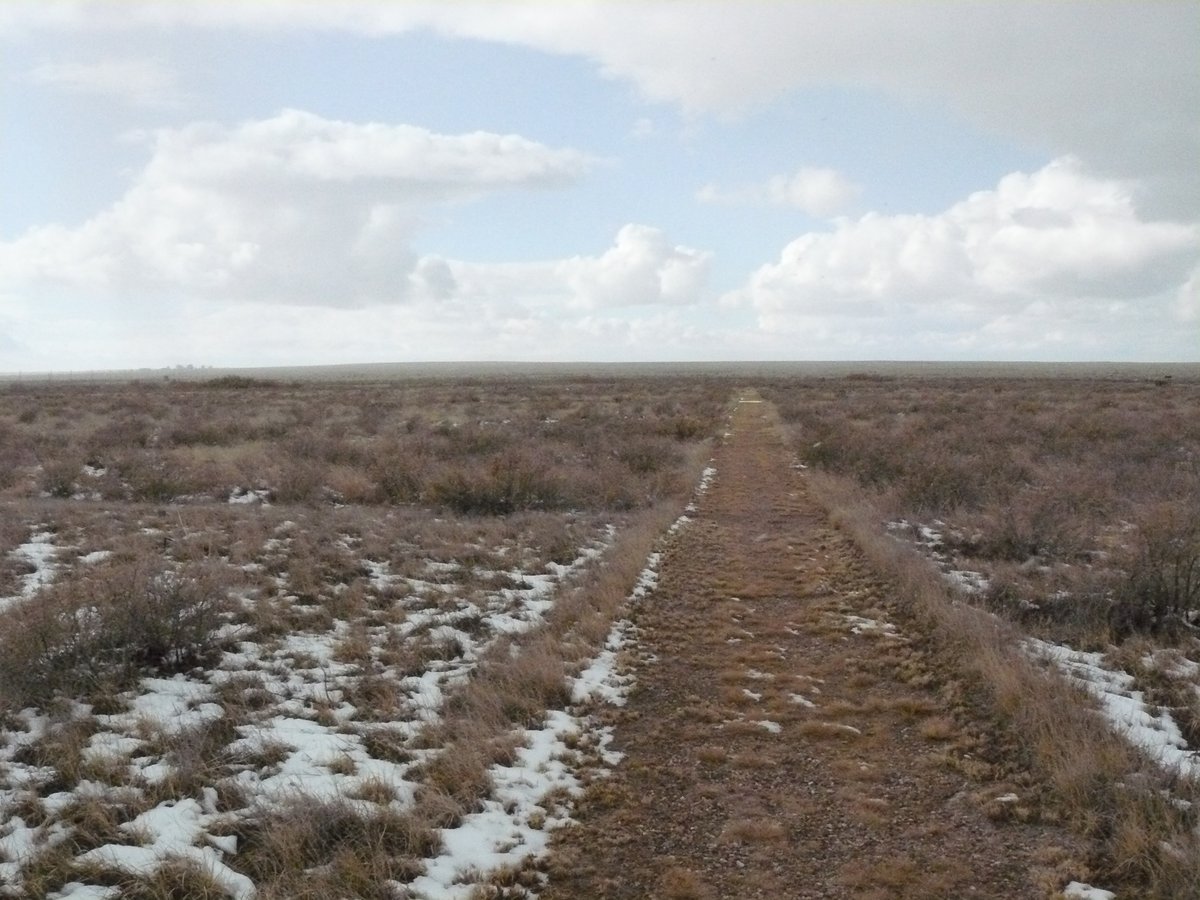
Identifying trees in the wild is one of the most rewarding outdoor hobbies, but it takes you into woods, hills, riverbanks and rough ground, where a little preparation makes all the difference. Most days out pass without trouble, yet the walkers who enjoy themselves most planned for the few things that can go wrong.
This guide covers the safety basics every tree hunter should know: planning, dressing for the weather, watching the ground and the trees above you, respecting wildlife, and knowing what to do if lost or hurt.
Plan Before You Go
Every safe trip starts at home. Tell someone where you are going and when you expect to be back, and stick to that plan. Choose a route that matches your fitness and experience, and study a map in advance. If you are new to an area, start with a marked trail.
Check the weather forecast and be ready to change your plans if storms, high winds or extreme heat are expected. High winds are a particular danger in woodland, because dead branches can fall without warning. Charge your phone fully, carry a paper map as a backup, and take enough water and food for longer than planned. A small first aid kit, whistle and torch weigh almost nothing.
Dress for the Ground and the Weather
Good footwear is the single most important item. Wear sturdy, waterproof boots with a good grip, because woodland paths are often muddy, root-covered and slippery. Wear long trousers and long sleeves against scratches, brambles and insect bites, and add layers you can remove as you warm up. Carry a waterproof jacket even on a fine day, because hill weather can change fast.
In summer, use sun protection and insect repellent, and check yourself for ticks after walking through long grass or bracken. Ticks are small and should be removed promptly and carefully, so carry a tick remover or fine tweezers in tick areas. In winter, dress warmly, carry gloves and a hat, and remember daylight is short, so start early and finish well before dark.
Watch the Ground and the Trees Above You
Most woodland injuries come from slips, trips and falls, so watch your feet. Roots, loose stones, muddy slopes and hidden holes are all common, and wet leaves can be surprisingly slippery. Walk at a steady pace, use a walking stick on steep or uneven ground, and avoid wet rocks and fast water.
Look up as well as down. Dead branches, known as widow-makers, can fall in wind or after rain, so avoid standing under dead limbs, especially in a storm. Never shelter under a lone tall tree in a thunderstorm, and move to lower ground if lightning is near. Give a dead, leaning or damaged tree a wide berth.
Wildlife, Plants and Getting Lost
Wildlife is usually more frightened of you than you are of it, but give animals space, especially in the breeding season. Do not approach nests, burrows or young animals, keep dogs on a lead near livestock or ground-nesting birds, and never feed wild animals. Learn which plants in your area are harmful: some berries and leaves are poisonous, and some, like giant hogweed, can burn the skin in sunlight, so do not pick or taste anything unidentified.
If you get lost, stop, stay calm and stay put. Use your map and phone, and if you have a signal, call for help and give your location. A whistle carries further than a shout: three blasts is the usual distress signal. If you must keep moving, follow a path or stream downhill towards roads and settlements.
How to Prepare for a Safe Tree Walk in 5 Steps
Run through this checklist before every trip into the wild.
- Tell someone your plan. Share your route and return time with a friend or family member, and let them know when you are back.
- Check the weather and the route. Look at the forecast, choose a route that suits your experience, and carry a map as well as your phone.
- Pack the essentials. Water, food, a first aid kit, whistle, torch, charged phone and waterproof layer should go on every trip.
- Dress for the ground. Wear sturdy boots with grip, long trousers and layers, and carry sun protection and insect repellent.
- Stay aware on the walk. Watch your footing, look up for dead branches, respect wildlife and livestock, and turn back early if the weather changes.
Quick checklist:
- Someone knows your route and your expected return time.
- Phone charged and a paper map in your bag.
- Sturdy boots, long trousers, waterproof layer packed.
- Water, food, first aid kit, whistle and torch carried.
- Weather checked and a plan to turn back if it changes.
- Ticks checked after walking through long grass.
Common Mistakes to Avoid
- Going alone without telling anyone. Solo walks are fine, but someone should always know where you are.
- Trusting a phone alone. Batteries die and signals fail, so a paper map and compass are worth carrying on longer walks.
- Ignoring a changing sky. Darkening clouds, rising wind and distant thunder are all reasons to head back early, not push on.
- Walking off the path to reach a tree. The ground off the path hides holes, roots and steep drops, so approach trees carefully.
- Tasting unknown plants. Never eat berries, leaves or fungi you cannot identify, and wash your hands before eating.
Frequently Asked Questions
What should I do if I get lost in the woods?
Stop, stay calm and stay where you are if you are unsure of the way. Use your map and phone, call for help if you have a signal, and use a whistle, three blasts.
How do I avoid tick bites when identifying trees?
Wear long trousers tucked into socks, use insect repellent, stick to paths, and check your skin and clothes after the walk. Remove any tick promptly with a tick remover.
Is it safe to walk in woods during a storm?
No. High winds can bring down dead branches, and lightning is a serious risk. Check the forecast, and leave the woods early if a storm approaches.
Can I identify trees safely on my own?
Yes, if you plan well. Tell someone your route, stay on marked paths, carry the essentials, and choose familiar ground.
Safe tree hunting is mostly common sense: plan, dress well, watch your step, respect wildlife and know when to turn back. Do those things and the wild will reward you. Before your next trip, refresh your skills with our guide to identifying a tree by its leaves and the tree identifier tool on your phone.
Featured image: Wikimedia Commons (CC / public domain).