
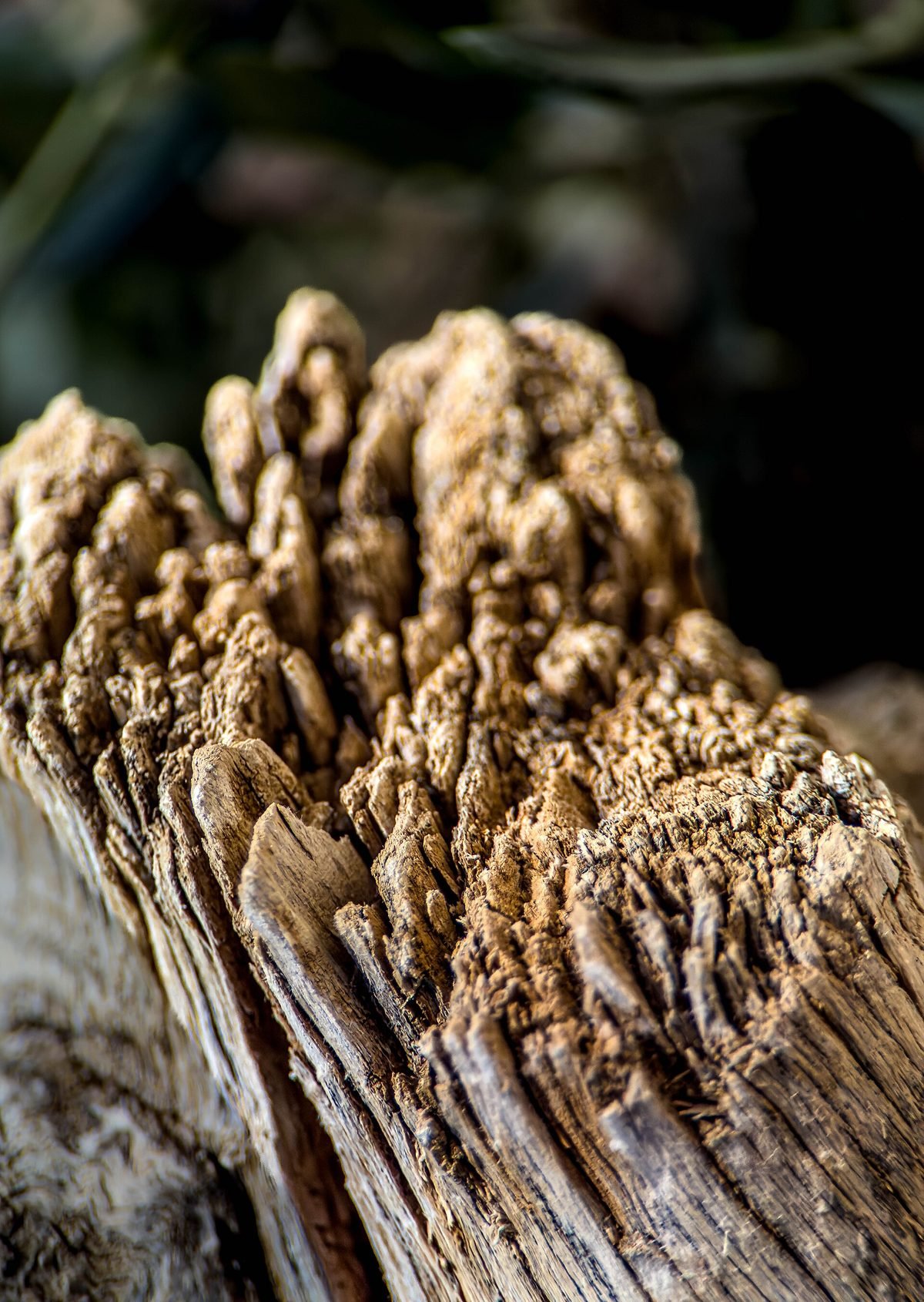
Is that table oak or pine? Is that log teak or acacia? Wood identification matters to carpenters, builders, furniture makers and anyone buying timber, because different woods differ wildly in strength, durability and price. The Wood Identifier reads the grain, colour and texture of timber from a photo and suggests the species.
This guide explains what the tool looks for in a wood photo, how to photograph timber so it can be read, and how to use its answer when buying, building or restoring.
What the Wood Identifier Reads
Grain pattern is the first clue. Oak has a bold open grain with visible pores, pine has a soft even grain with knots, teak has a straight oily grain with dark streaks, and walnut has a rich dark grain with waves. The tool reads the direction, spacing and character of the grain lines, and compares them with known timbers.
Colour and texture come next. Freshly cut wood shows its true colour, from the pale cream of ash to the deep brown of walnut, and the surface may be smooth, oily, rough or waxy. The tool uses colour together with grain, because colour alone changes with age, finish and light.
End grain completes the picture. A cut across the trunk shows the growth rings, the pores and the rays, and these patterns separate species that look alike on the face. A photo of the end grain, with the rings clearly visible, is often the most useful photo of all.
How to Identify It Step by Step
- Find a clean cut surface of the wood, and brush off dust and dirt so the grain is clear.
- Photograph the face grain in daylight, filling the frame, without flash or polish that hides the texture.
- Photograph the end grain too, showing the growth rings and pores clearly.
- Upload the clearest photo to the Wood Identifier and read the suggested wood species and its uses.
- Check the answer against the weight, smell and source of the wood before you buy or build with it.
Timbers the Tool Identifies Easily
- Oak: Bold open grain with visible pores, pale brown when fresh, strong and durable for furniture and floors.
- Pine: Soft even grain with knots and resin, pale yellow, light and easy to work for building and joinery.
- Teak: Straight oily grain with dark streaks, golden brown, weather resistant and prized for outdoor furniture.
- Walnut: Rich dark brown grain with waves, smooth and hard, used for fine furniture and veneers.
- Mahogany: Reddish brown grain, straight and even, smooth to the touch, classic for furniture and boats.
Common Mistakes to Avoid
- Photographing varnished wood. Varnish hides the grain and changes the colour, so photograph a raw cut surface when you can.
- Photographing in poor light. Dark photos hide the grain pattern, so use bright daylight and keep the image sharp.
- Forgetting the end grain. The face alone can mislead, while the end grain often settles the identification.
- Trusting the answer for expensive timber. For valuable wood, confirm the identification with a sample and an expert before buying.
Wood, Sustainability and Care
Knowing your wood matters for more than identification. Some timbers come from endangered forests, and some are protected by law, so buying the right wood from a responsible source protects forests as well as your project. Ask where the timber came from, look for certification, and avoid rare species when a common one will do the job just as well.
Care for wood by keeping it dry, oiling it when it needs it, and protecting it from sun and rain. A well-identified piece of timber, used for the right purpose and looked after, can last for generations, and the Wood Identifier helps you start that story with the right name.
Wood has been used by people for thousands of years, and every culture has its favourite timbers. Oak for ships and houses, teak for boats, cedar for chests, ebony for carving, and bamboo for almost everything. The wood you identify has a history, and learning it adds to the pleasure of the identification. When you know a piece of timber is oak, you also know it is strong, durable, and full of tannin that protects it from rot. When you know it is pine, you know it is light, easy to work, and full of resin. The Wood Identifier gives you the name, and the name opens the door to the history, the uses, and the craft that the wood has served for centuries. Ask where your timber comes from. A responsible supplier can tell you the species, the country and the certification, and a good carpenter will know the wood by its grain and its weight. Learning to identify wood protects you from being sold a cheap timber at an expensive price, and it protects forests from being cut for species that should be left alone.
Frequently Asked Questions
Can a photo identify wood?
Often yes. Grain, colour and texture narrow most common timbers down, especially with a clean cut surface and end grain visible.
What wood photos work best?
A clean cut surface in daylight showing the grain, plus the end grain when possible.
Can it tell real teak from fake teak?
It can suggest the likely species, but valuable timber should be confirmed with a sample and an expert.
Is the Wood Identifier free?
Yes, free with no registration required.
Try it yourself: upload a photo to the Wood Identifier and see the identification with full details on this site. Read also: Wood Identifier.
The Wood Identifier reads the story in the grain: a clean cut surface in daylight, plus the end grain, is often enough to name the timber. Photograph carefully, check the answer against weight and smell, and confirm before you buy.