
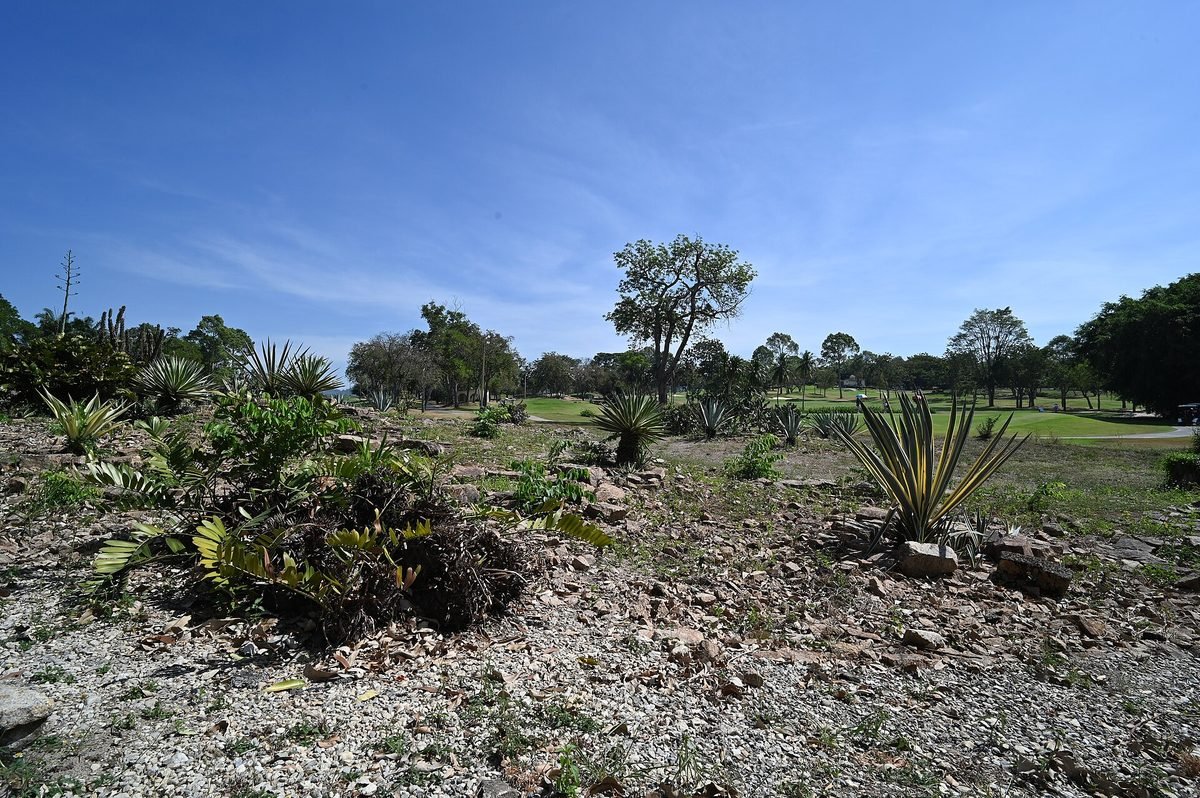
A tree cannot walk to water, so when drought and heat arrive it must survive where it stands. Over millions of years, trees have evolved a toolkit of tricks: roots that reach deep for groundwater, leaves that lose almost no water, and the ability to shut down growth until rain returns. Some trees can endure months without rain, and a few can survive years of drought by going almost completely dormant.
Understanding these strategies matters more as summers grow hotter and drier. A tree that looks healthy in a wet spring may be quietly struggling by August, and knowing the signs of drought stress helps you tell the difference. This guide explains how trees find, save and ration water, and what you can do to help a thirsty tree.
How Trees Cope with Drought
Roots are a tree's first line of defence. Many trees grow a deep taproot that reaches groundwater far below the surface, while a wide network of fine roots near the surface catches light rain before it evaporates. In dry soils, roots can grow deeper and spread wider, and some trees shed fine roots during drought to save energy, then regrow them when rain returns. A tree with a large, healthy root system can draw water that a shallow-rooted tree cannot reach.
Leaves are where most water is lost, so trees control them carefully. The tiny pores called stomata open to take in carbon dioxide, but water escapes through them at the same time. In drought, a tree closes its stomata, sacrificing photosynthesis to save water, and many species also have waxy coatings, hairy surfaces or rolled leaves that slow evaporation. Some trees shed leaves early in a severe drought, reducing the surface that loses water until the rains return.
When drought becomes extreme, trees switch to survival mode. Growth stops, new shoots are abandoned, and the tree lives off stored sugars and water held in its wood and bark. Some desert trees can drop all their leaves and wait months for rain, then burst back into leaf within days of a storm. If the drought lasts too long, air bubbles can block the water vessels in the wood, a condition called cavitation, and branches begin to die back from the tips.
How to Identify It Step by Step
- Look at the leaves on a hot dry day and note whether they are wilting, curling, yellowing or dropping earlier than usual.
- Check the soil at the base of the tree and see how dry and cracked it is, and whether mulch or shade covers the roots.
- Look at the bark and branch tips for dieback, which is a sign that the tree has run out of water in its outer wood.
- Compare the tree with others of the same species nearby, and note whether some are coping better, perhaps with deeper soil.
- Photograph the tree with the Tree Identifier, then record the stress signs so you can check whether it recovers after rain.
Drought Survivors Among Trees
- Olive trees: Small, silvery, waxy leaves lose very little water, and deep roots reach moisture in dry Mediterranean soils.
- Baobab trees: Massive trunks store thousands of litres of water, letting baobabs survive months of drought in African savannas.
- Mesquite trees: Roots can reach more than 50 metres down to groundwater, making mesquite one of the toughest desert trees.
- Cork oak: Thick corky bark insulates the trunk from heat, and tough evergreen leaves resist water loss in dry summers.
- Juniper: Scale-like leaves and a waxy coat let junipers thrive on rocky, dry hillsides where most trees would fail.
Common Mistakes to Avoid
- Watering a little every day. Shallow daily watering keeps roots near the surface; a deep soak once a week is far better for trees.
- Assuming a wilted tree is dead. Many trees recover after rain, so wait and watch for new buds before deciding a tree is lost.
- Removing all shade around a stressed tree. Shade and mulch keep the soil cool and moist, and help a drought-stressed tree recover.
- Planting a thirsty species in a dry place. A willow or poplar needs abundant water, while an olive or juniper is built for drought.
Drought, Climate Change and Helping Trees
Droughts are becoming longer and hotter in many regions, and trees are on the front line. Forests that survived centuries of normal dry summers are now dying in extreme droughts, because heat increases water loss faster than roots can replace it. When large numbers of trees die, the forest stores less carbon, wildlife loses habitat, and the soil erodes. Scientists study which species survive these events, so that future planting can favour trees that will cope with the climate ahead.
You can help the trees near you. Water young trees deeply during their first two summers, mulch around the base to keep soil moist, and avoid paving over root zones, which stops rain reaching the roots. Choosing drought-tolerant species for new planting is one of the most effective steps, and it is far easier than keeping a thirsty tree alive through a hot, dry summer.
Frequently Asked Questions
How do trees survive without rain?
They use deep roots to reach groundwater, close their stomata to save water, and slow or stop growth until rain returns.
Why do trees drop leaves in a drought?
Shedding leaves reduces the surface that loses water, so the tree can survive on stored water until the drought ends.
What are the signs of drought stress in a tree?
Wilting, yellowing or curling leaves, early leaf fall, and dieback of branch tips are the most common early signs.
How much water does a tree need in a drought?
A young tree needs a deep soak of 20 to 40 litres once a week, while a mature tree with deep roots usually manages on its own.
Try it yourself: upload a photo to the Tree Identifier and see the identification with full details on this site. Read also: How to Identify a Tree by Its Leaves.
Trees survive drought with deep roots, water-saving leaves and the patience to wait out the dry months. Learn the signs of stress, water young trees deeply, and plant drought-tolerant species, and the trees around you will stand a far better chance in the hotter summers ahead.