
Spring is the most generous season for anyone learning to identify trees. After months of bare branches, trees burst into flower and leaf in a rush, and each species does it in its own way and at its own time.
This guide will help you use those spring clues well. It covers what to look for first, how buds and blossom differ between common tree groups, and how to record what you see so you can check it later.
Blossom First: Colour, Shape and Timing
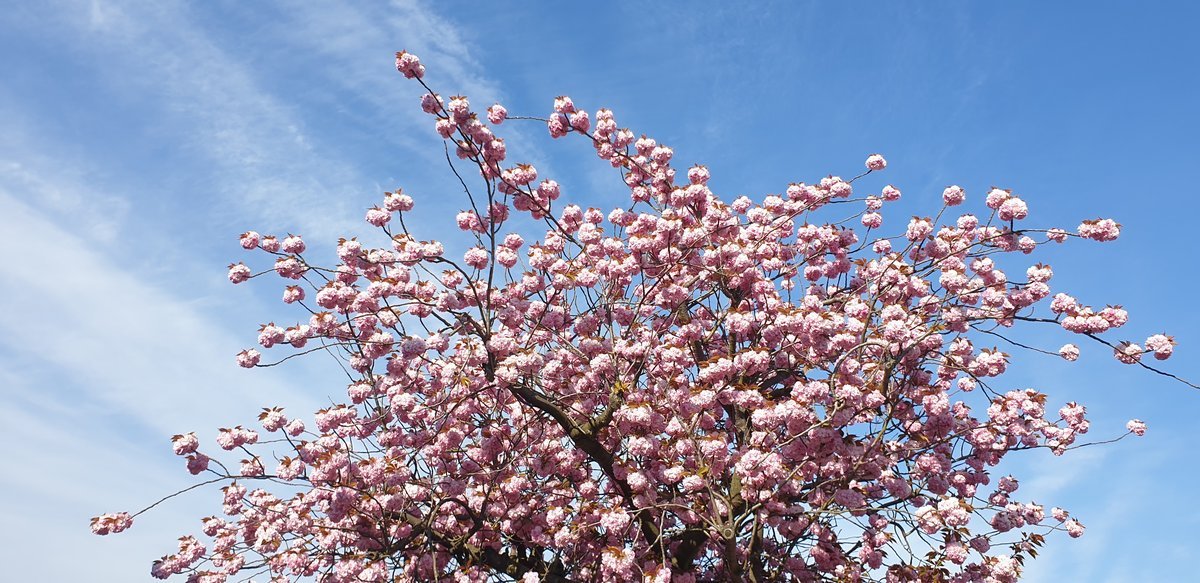
Blossom is often the first spring clue, and it is also the most visible. Some trees flower before their leaves open, so a bare branch covered in pink, white or yellow flowers is easy to spot from a distance. Cherries and almonds flower in shades of pink and white, magnolias produce large, cup-shaped flowers, and willows carry soft catkins.
Look closely at the flowers, not just their colour. Count the petals if you can, note whether the flowers hang in clusters or grow singly, and check whether they have a scent. Cherry blossom usually has five petals and grows in small clusters, while apple blossom has five petals with a pink tinge and a sweet scent. Hawthorn flowers are small, white and strongly scented, and they appear in flat clusters.
Buds: The Tree's Fingerprint
Buds are one of the most reliable identification features in spring, and they are worth learning well. Before they open, buds show their shape, colour, size and arrangement, and these details differ clearly between species. Some buds are long and pointed, some are round and fat, some are sticky, and some are covered in fine hairs. Horse chestnut buds are large, sticky and dark brown, while beech buds are long, thin and pointed like a pencil.
Check whether the buds sit opposite each other on the twig or alternate along it, since this single detail divides many common trees into two groups. Maples, ashes and horse chestnuts have opposite buds, while oaks, beeches, birches and cherries have alternate buds. Also note the bud scales: some buds are covered in a single smooth scale, others in many overlapping scales. A bud photographed in early spring, before it opens, is one of the most useful identification pictures you can take.
New Leaves and How They Unfold
New leaves in spring are fresh, soft and often a different colour from mature leaves. They may be pale green, bronze, red or even pink, and they darken as they grow. The way a leaf unfolds is also a clue: some leaves open flat at once, while others stay folded or rolled for a while. Oak leaves, for example, often emerge with a pinkish tinge and a soft, downy surface, while beech leaves open with a silky fringe of hairs along the edge.
Look at the shape of the young leaf, the edge of the blade, and the way the leaves are arranged on the twig. Even a very young leaf usually shows the shape it will have when mature, whether lobed, toothed or smooth-edged. Compare the new leaves with any old leaves still on the ground beneath the tree, since last autumn's fallen leaves are often still there in spring and can confirm your identification. A photo of a new leaf next to a fallen old leaf is a strong record.
Five Steps for Spring Identification
Use this routine on a spring walk to identify a tree with confidence. It works best if you check more than one feature before you decide.
- Look at the whole tree. Note its shape, size and whether it is in flower, in leaf, or both.
- Check the flowers. Record their colour, size, scent and arrangement, and photograph them from two angles.
- Examine the buds and twigs. Note whether buds are opposite or alternate, and their shape, size and colour.
- Study a new leaf. Look at its shape, edge and colour, and compare it with fallen leaves on the ground.
- Record the date and place. Flowering dates shift with the weather, so a dated note helps you compare years.
Spring Clues at a Glance
- Flowers before leaves: cherry, almond, magnolia, willow and hazel.
- Flowers with leaves: apple, hawthorn, rowan and horse chestnut.
- Sticky, fat buds: horse chestnut, and to a lesser degree some poplars.
- Long, pointed buds: beech, and some hornbeams.
Common Mistakes to Avoid
- Identifying from blossom colour alone. Many trees share pink or white flowers, so check buds, leaves and timing too.
- Forgetting that flowering dates shift. A cold spring can delay blossom by weeks, so use the date as a clue, not a rule.
- Confusing ornamental varieties with wild species. Garden trees are often bred for showy flowers and may look different from wild trees.
- Ignoring the twigs. Bud arrangement and twig colour are often more reliable than flowers, which fade quickly.
- Relying on a single photograph. Take pictures of flowers, buds, leaves and the whole tree for a reliable identification.
Frequently Asked Questions
What is the easiest tree to identify in spring?
Flowering cherries are among the easiest, because their pink or white blossom appears before the leaves and is very distinctive. Horse chestnut is also easy, thanks to its large, sticky buds and upright spikes of white flowers.
Why do some trees flower before their leaves open?
Flowering before leafing helps wind-pollinated trees, because there are no leaves to block the wind carrying pollen. It also helps insect-pollinated trees, because their flowers are easier for pollinators to find on bare branches.
Can I identify a tree from its buds alone?
Often, yes. Bud shape, size, colour and arrangement are distinctive for many species, and winter and early spring are the best times to use them.
When is the best time of day to photograph spring blossom?
Morning light is usually best, because it is soft and shows flower colour truly, and there is less wind than later in the day. Overcast days also work well, since they give even light without harsh shadows.
Spring gives you more identification clues in a few weeks than any other season, so make the most of it while the blossom lasts. Photograph flowers, buds and new leaves together, and check your notes against a guide at home. To keep learning through the year, read our guide to identifying trees by season and how to identify a tree by its leaves, and use the tree identifier whenever you want a fast check from a photograph.
Featured image: Wikimedia Commons (CC / public domain).