
For millions of people, the plants they love are also the plants that make them sneeze, itch and rub their eyes. Pollen carried on the wind, sap on the skin and tiny hairs on leaves can all trigger an allergic reaction, from a runny nose to a painful rash. The good news is that most plant allergies are manageable once you know which plants cause trouble and when they release their pollen.
An allergy is the immune system overreacting to something harmless, such as a grain of pollen, and the reaction varies from person to person. This guide explains the plants that cause the most allergies, how to reduce your exposure in the garden and outdoors, and when a reaction needs medical attention rather than home care.
Which Plants Cause the Most Allergies
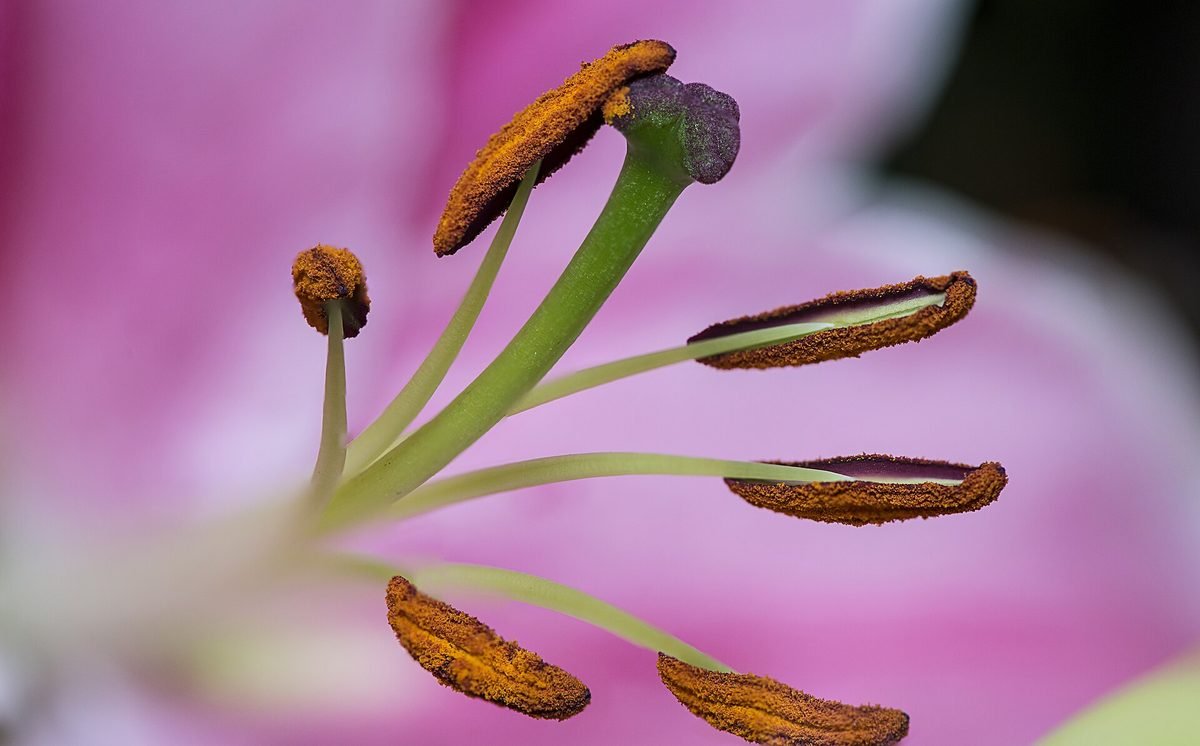
Wind-pollinated trees and grasses cause most pollen allergies, because they release huge amounts of light pollen into the air. Birch, oak, alder, hazel and plane trees are common culprits in spring, while grasses dominate in summer and ragweed in late summer and autumn. Insect-pollinated flowers, such as roses and lilies, release far less pollen into the air, so they are usually safer for allergy sufferers, even though they look more dramatic.
Some plants cause skin reactions rather than sneezing. The sap of plants such as fig, hogweed, rue and some spurges can make the skin sensitive to sunlight, causing blisters and burns after a sunny day. Other plants, such as poison ivy, poison oak and primula, carry oils or hairs that trigger an itchy rash on contact. Always wear gloves when handling a plant you do not know, and wash your hands and tools afterwards.
The third factor is timing. Pollen counts are highest on warm, dry, windy days, and lowest after rain, so check the local pollen forecast before a long walk or a day in the garden. Pollen is often worst in the early morning and evening, and it can cling to clothes, hair and pets, so changing clothes and washing your face after time outdoors can cut the exposure a great deal.
How to Identify It Step by Step
- Identify the plants that trigger you, noting the season and the symptoms, and keep a simple diary of flare-ups.
- Check the pollen forecast before gardening or walking, and plan outdoor time for after rain or on calm days.
- Wear gloves, long sleeves and glasses when handling plants, and wash your hands and face afterwards.
- Shower and change clothes after time outdoors, and keep windows closed on high-pollen days to keep pollen out of the house.
- If symptoms are severe or breathing is affected, seek medical advice promptly and do not delay.
Plants That Often Trigger Allergies
- Birch: Betula, a major spring pollen source; people allergic to birch pollen may also react to apples, almonds and hazelnuts.
- Ragweed: Ambrosia, a late-summer weed whose light pollen travels far and causes strong hay fever in many people.
- Grasses: Ryegrass, timothy and other grasses release large amounts of pollen in summer, the main cause of hay fever for most sufferers.
- Giant hogweed: Heracleum mantegazzianum, whose sap makes skin burn in sunlight; never touch it, and keep children and pets away.
- Poison ivy: Toxicodendron radicans, with an oil that causes an itchy blistering rash; learn to recognise its three-leaflet pattern.
Common Mistakes to Avoid
- Assuming all flowers cause hay fever. Most hay fever comes from wind-pollinated trees, grasses and weeds, not from garden flowers.
- Gardening without gloves. Sap, hairs and oils on unknown plants can trigger a rash, so gloves and long sleeves are simple protection.
- Skipping the pollen forecast. A high-pollen day can turn a pleasant walk into hours of sneezing, so check before you go out.
- Delaying medical help for breathing trouble. Wheezing, tightness or swelling needs prompt medical attention, not home remedies.
Living Well with Plant Allergies
You do not have to give up gardens to live with a plant allergy. Choose low-pollen plants for your own garden, such as insect-pollinated flowers, female trees where possible, and plants with heavy, sticky pollen that stays on the flower. Keep the lawn mown short before it flowers, and ask someone else to mow if grass pollen affects you. A garden planned with allergies in mind can be just as beautiful, and far more comfortable to sit in.
If your symptoms are regular or severe, talk to a doctor or allergy specialist, who can test for the plants that affect you and discuss treatments such as antihistamines, nasal sprays or allergy immunotherapy. Keep a record of your symptoms and the plants nearby, because that record helps the specialist find the cause. With the right plan, most people with plant allergies can enjoy the outdoors for most of the year.
Frequently Asked Questions
Which plants cause the worst pollen allergies?
Wind-pollinated trees such as birch, oak and alder, plus grasses in summer and ragweed in late summer, cause most pollen allergies.
Can a plant cause a rash without pollen?
Yes. Sap, oils and tiny hairs on plants such as hogweed, poison ivy and primula can trigger itchy or blistering rashes on contact.
When is pollen worst during the day?
Pollen is often highest on warm, dry, windy days, in the early morning and evening, and lowest after rain, so plan walks and gardening for calm hours after rain when you can.
When should I see a doctor about a plant allergy?
See a doctor if symptoms are regular or severe, if medicines do not help, or at once if breathing is affected or swelling appears.
Try it yourself: upload a photo to the Plant Identifier and see the identification with full details on this site. Read also: Poisonous Plants Identification Safety.
Plant allergies are common and manageable. Learn which plants affect you, check the pollen forecast, wear gloves in the garden, and seek medical advice when symptoms are severe. With a little planning, the garden stays a pleasure, not a problem, for most of the year.