
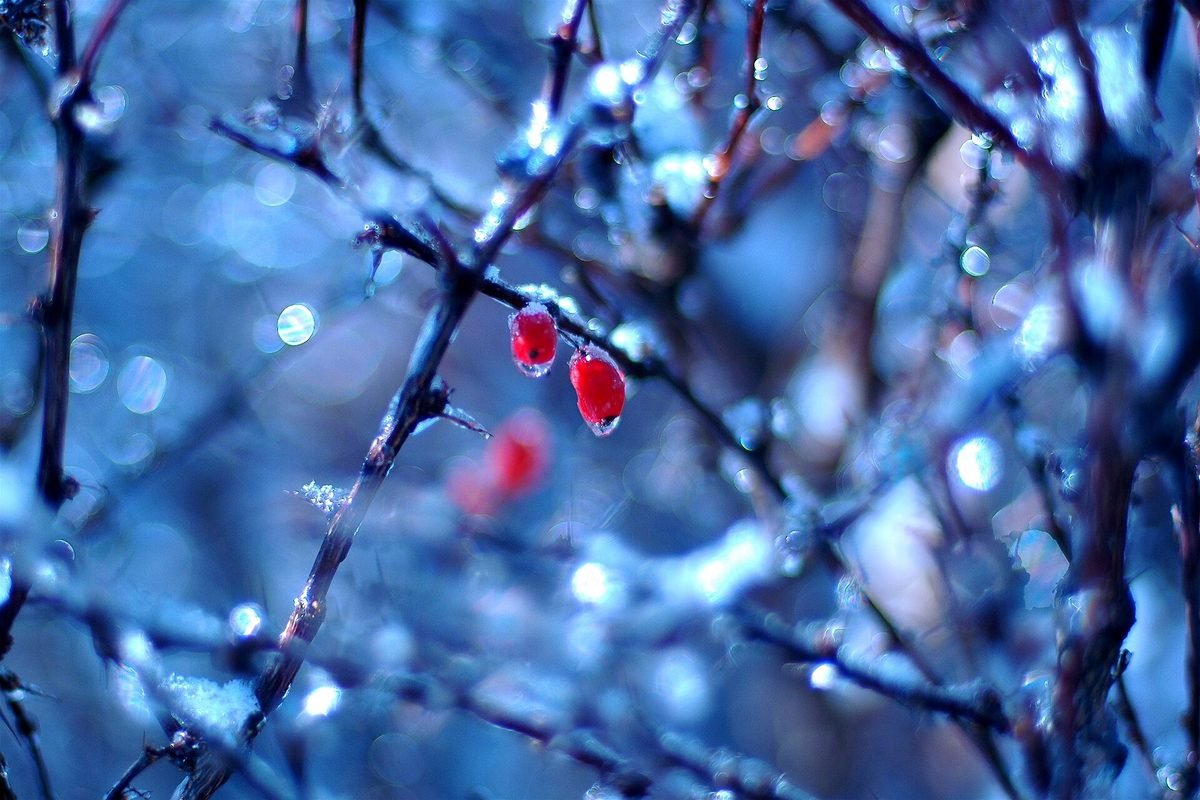
Wild berries can look tempting on a hedgerow walk, bright red, purple or black against green leaves. Yet colour alone tells you nothing about safety, because some of the most dangerous berries look just like edible ones, and a single berry can cause serious harm, especially to a small child. The most important habit is simple: pause, look carefully, and never taste a berry you cannot name with certainty.
An identification app or photo can help you narrow down a plant, but it can never prove a berry is safe to eat. Many toxic species look almost identical to harmless ones, and a photo may miss the leaf, stem or growth habit that separates them. This guide explains what to check, which berries deserve extra caution, and what to do if someone eats a berry they cannot name.
How to Check a Wild Berry Safely
Start by looking at the whole plant, not just the berry. Note the leaf shape, the stem, whether the plant has thorns or hairs, and how the berries grow: singly, in clusters or in long drooping bunches. Take a clear photo of the leaves and the berries together in daylight, because the leaves often carry the clues that the berries do not. A plant with shiny black berries in a cluster is very different from one with single red berries on a bare stem.
Next, check the berry itself without tasting it. Look at its size, colour, shape and surface: is it smooth, waxy, hairy or ribbed, and does it carry a small crown or a stalk at the top? Look at a fallen berry to see its size and shape, but never bite into one. Many poisonous berries are small, round and glossy, but so are some edible ones, so the shape of a single berry is never enough on its own.
The third check is the setting and the season. Some dangerous berries ripen in late summer, others in autumn, and a berry found in a garden may be an ornamental variety bred for colour rather than food. Ask whether the plant was planted or wild, and whether children or pets can reach it. If you cannot name the plant from at least two features, such as leaves plus berries, treat it as unknown and leave it alone.
How to Identify It Step by Step
- Stop and look first. Do not pick or taste any wild berry until you have identified the whole plant.
- Photograph the berries, leaves and stem together in daylight, with a plain background behind them.
- Upload the photo to the Plant Identifier and read the suggested species, then check a second feature.
- Compare the result with a trusted field guide and, if anything does not match, treat the berry as unknown.
- If someone has eaten an unknown berry, keep a sample or photo and seek medical help immediately.
Berries That Deserve Extra Caution
- Deadly nightshade: Atropa belladonna, with shiny black berries in green star-shaped cups; highly toxic, so never touch or taste it.
- Yew berries: Taxus baccata, with a soft red cup around a single hard seed; the seed and leaves are poisonous, so leave them alone.
- Holly berries: Ilex aquifolium, bright red berries on a spiny-leaved evergreen; toxic if eaten and a common cause of stomach upset in children.
- Ivy berries: Hedera helix, clusters of dull black berries that ripen in winter; poisonous to people and pets, so admire them from a distance.
- Elderberry lookalikes: True elderberries need cooking, and unripe or raw berries can upset the stomach, so never eat any dark clustered berry raw.
Common Mistakes to Avoid
- Tasting a berry to test it. A tiny taste of a toxic berry can be dangerous, and taste tells you nothing about safety.
- Trusting colour alone. Red berries can be safe or deadly, and black berries can be edible or poisonous, so colour proves nothing.
- Relying on one photo. A berry photo without leaves or stem can match several species, including a toxic one.
- Assuming birds eating a berry means it is safe. Birds can eat berries that are poisonous to people, so their choice is no guide.
Teaching Children About Wild Berries
Children are the most at risk from wild berries, because they are curious, quick to pick and small enough for a few berries to cause serious harm. Teach children a simple rule before any walk: never put a wild berry, leaf or seed in your mouth, and show a grown-up anything you find. Make it a game to photograph berries and identify them together later, so the child learns to look first and taste never.
Gardeners can help by learning the berries in their own garden and removing or fencing off plants with toxic berries where small children play. If a child eats an unknown berry, stay calm, keep the child with you, note what was eaten and how much, and seek medical help at once. Bring a photo or a sample in a sealed bag if you can do so safely, and never try to make the child vomit unless a doctor tells you to.
Frequently Asked Questions
How can I tell if a wild berry is poisonous?
You cannot tell from colour or taste. Identify the whole plant from leaves, stem and berries, and treat any plant you cannot name as unsafe.
What should I do if my child eats an unknown berry?
Stay calm, keep the child with you, note what and how much was eaten, and seek medical help immediately with a photo or sample.
Can a plant identification app prove a berry is safe to eat?
No. An app gives a best guess from a photo, and toxic lookalikes are common, so always confirm with a qualified local expert before eating anything wild.
Are berries that birds eat safe for people?
No. Birds can safely eat berries that are poisonous to humans, so never use birds as a guide to whether a berry is edible.
Try it yourself: upload a photo to the Plant Identifier and see the identification with full details on this site. Read also: Poisonous Plants Identification Safety.
Wild berries reward patience, not bravery. Check the leaves, stem and berries together, never taste a plant you cannot name, and teach children the same rule. When in doubt, leave the berry on the branch and enjoy it with your eyes, not your mouth, and your walk will be safe for everyone.