
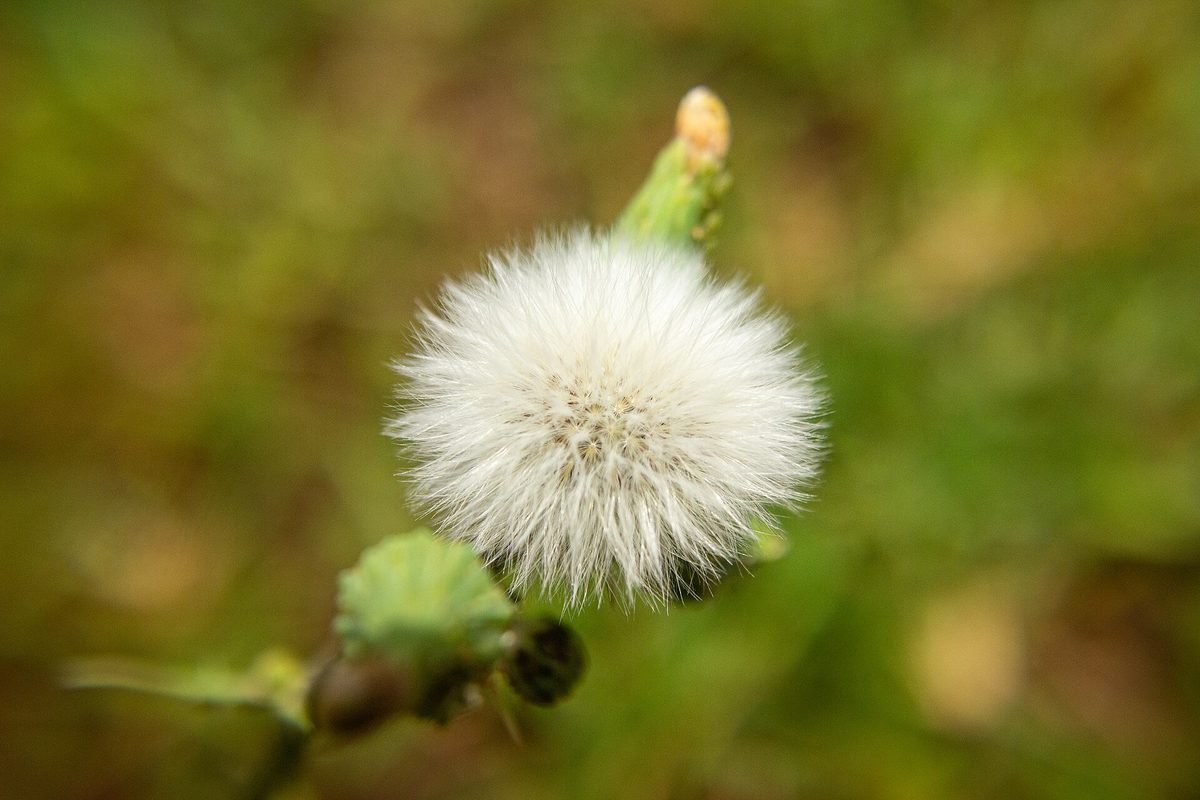
A tree cannot walk, yet forests spread across continents and colonise bare ground after fires and floods. The secret is the seed, a tiny package that travels far from its parent before settling down to grow. Trees have evolved many ways to move their seeds: wings that catch the wind, fleshy fruit that animals carry away, hooks that cling to fur, and pods that burst open with explosive force.
Seed dispersal matters because a seed that falls directly beneath its parent faces the worst possible start: deep shade, hungry insects and competition with its own siblings. A seed that travels even a short distance has a far better chance of finding light, space and fresh soil. This guide explains the main dispersal strategies and how to spot them in the trees around you.
Five Ways Trees Spread Their Seeds
Wind is the most common carrier. Maple seeds have wings that spin like helicopters, slowing their fall so the breeze can carry them far from the parent tree. Dandelion seeds use feathery parachutes, poplar and willow seeds are wrapped in fluffy cotton, and ash seeds have a single wing that lets them glide. Wind dispersal works best for light seeds, and a strong autumn gale can carry maple seeds more than a hundred metres from the tree.
Animals are the second great carriers, and trees pay them with food. Birds eat berries and cherries, then drop the seeds in their droppings far away, often with a little fertiliser included. Squirrels bury acorns and forget some of them, and those forgotten acorns grow into new oaks. Some seeds have hooks or barbs that cling to fur, hitching a ride until they are brushed off in a new place, which is how many woodland plants spread along animal paths.
Water carries seeds too, especially for trees that grow near rivers and coasts. Coconuts can float for months and wash up on distant beaches, still able to sprout, while alder and willow seeds float downstream and colonise riverbanks. A few trees use explosive dispersal: the sandbox tree and some spurges build pressure in their pods until they burst, flinging seeds several metres in every direction. Each method suits a different habitat, and many trees use more than one.
How to Identify It Step by Step
- Find a tree with ripe fruit or seeds and look closely at the seed shape, checking for wings, hooks, fluff or flesh.
- Drop a winged seed from shoulder height on a breezy day and watch how far the wind carries it before it lands.
- Look under the tree for animal signs, such as half-eaten fruit, gnawed nutshells or droppings containing seeds.
- Check the ground in spring for seedlings, and note how far from the parent tree the young plants are growing.
- Photograph the fruit or seed with the Tree Identifier, then record the dispersal method you observed for that species.
Dispersal Strategies by Species
- Maple: Winged samaras spin like helicopters as they fall, letting the wind carry them far from the parent tree.
- Oak: Heavy acorns are buried by squirrels and jays, and the forgotten ones grow into new oaks, often far from the parent.
- Willow: Tiny seeds wrapped in fluffy cotton float on the wind and settle on damp riverbanks where they sprout quickly.
- Coconut palm: Huge buoyant coconuts float on ocean currents for months and wash up on distant beaches, ready to grow.
- Sandbox tree: Explosive pods burst open with a loud crack, flinging seeds up to 40 metres in every direction.
Common Mistakes to Avoid
- Thinking seeds fall straight down. Most tree seeds travel, by wind, water or animals, and a seedling far from the parent is normal.
- Assuming fleshy fruit is for humans. Fruit evolved to attract animals, which eat it and carry the seeds away in their droppings.
- Believing heavy seeds cannot spread. Jays and squirrels carry acorns and nuts for hundreds of metres and bury them in new places.
- Expecting every seed to grow. A tree produces thousands of seeds because most are eaten, rot or land in poor soil, and only a few survive.
How Dispersal Shapes Forests
Seed dispersal decides where forests grow and how fast they recover. After a fire or a storm clears a wood, wind-blown seeds from birch, willow and poplar arrive first, because they are light and travel far. These pioneer trees shade the ground and improve the soil, and then heavier seeds carried by birds and squirrels, such as oak and beech, arrive and grow beneath them. Without dispersal, a cleared wood would stay bare for far longer, and the sequence of recovery would never begin.
Dispersal also shapes the map of whole continents. When glaciers retreated after the last ice age, trees recolonised northern Europe at different speeds, with wind-dispersed birch and pine racing ahead and heavy-seeded oak and beech following slowly behind. Today, as the climate warms, trees need to move again, but many cannot disperse fast enough to keep up. Helping seeds travel, by planting corridors of trees and protecting the animals that carry them, is becoming part of conservation.
Frequently Asked Questions
Why do trees spread their seeds?
Seeds that travel find light, space and fresh soil, while seeds that fall under the parent face deep shade and heavy competition.
How far can a tree seed travel?
Wind-blown maple seeds can travel over 100 metres, while coconuts can float across oceans for months before washing ashore.
Which animals spread tree seeds?
Birds, squirrels, jays, mice and even elephants spread seeds by eating fruit, burying nuts or carrying seeds in their fur.
What is the fastest way a seed can travel?
Explosive pods, such as those of the sandbox tree, fling seeds up to 40 metres, while wind and water can carry seeds much further.
Try it yourself: upload a photo to the Tree Identifier and see the identification with full details on this site. Read also: Identify a Tree by Its Fruit.
Trees spread their seeds by wind, water, animals and even explosions, because a seed that travels has a far better chance of becoming a tree. Next time you see a spinning maple seed or a squirrel burying an acorn, you are watching the quiet process that plants forests and moves them across the land.