
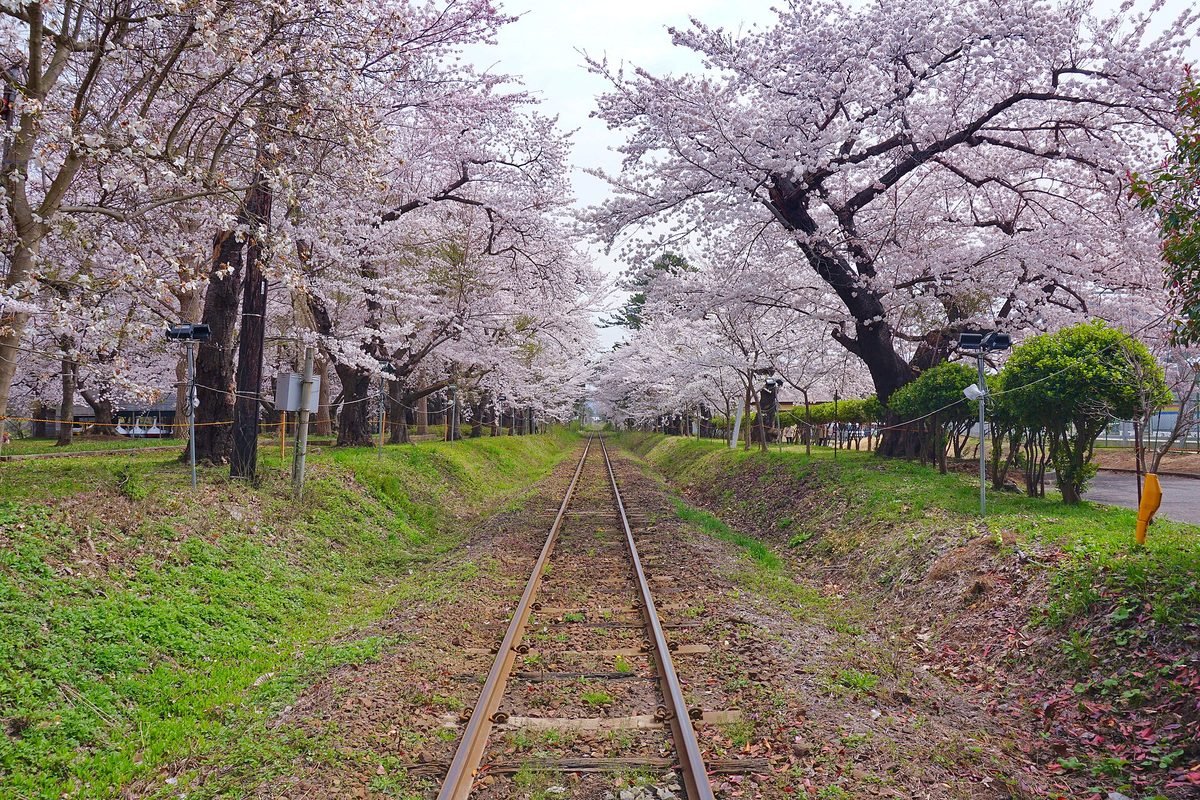
Cherry trees are among the easiest trees to recognise in spring, when their branches fill with pale pink or white blossom, but they can be identified in every season. The wild cherry, Prunus avium, and the Japanese flowering cherry, Prunus serrulata, share the same family traits: toothed oval leaves, smooth bark banded with pale horizontal marks, and small round fruit in summer. Learn those traits together and a cherry will rarely fool you.
Beginners often rely on blossom alone, which is a mistake because blossom lasts only a few weeks and several other trees flower in pink or white. A stronger method is to check two or three features at once, such as bark plus leaves, or leaves plus fruit. This guide explains each feature in order and shows how to photograph it for a confident identification.
Cherry Tree Features to Check
Start with the bark, which is available all year and is one of the most distinctive features of a cherry. Young cherry bark is smooth and dark, reddish brown or grey brown, and it is banded with pale horizontal lines called lenticels. As the tree ages the bark peels in thin horizontal strips and may become rougher, but the banded pattern usually stays visible. If you see smooth dark bark with clear horizontal bands, cherry should be near the top of your list.
Next look at the leaves. Cherry leaves are oval with a pointed tip, 8 to 15 centimetres long, with a finely toothed margin and a slightly glossy upper surface. The leaf stalk often carries one or two small red glands near the base of the blade, a small detail that separates cherry from many lookalikes. In autumn the leaves turn yellow, orange or red before they fall, and they are simple, not compound, and arranged alternately along the twig.
The flowers and fruit confirm the identification. Cherry blossom has five petals, pale pink or white, and grows in small clusters along the branches in spring, often before the leaves fully open. The fruit that follows is a small round drupe, dark red or almost black when ripe on wild cherry, on a long slender stalk. Flowering cherries grown for ornament may produce little or no fruit, so a tree with blossom but no fruit can still be a cherry.
How to Identify It Step by Step
- Look at the trunk first. Note the smooth dark bark and the pale horizontal lenticels that run in bands around the trunk.
- Pick one mature leaf and check its shape: oval, pointed, finely toothed, with a glossy upper surface and a stalk that may carry small red glands.
- Photograph the leaf flat on a plain light background in daylight, with the stalk visible, so the shape and teeth are clear.
- Note the season and what else is present: blossom in spring, small round fruit in summer, or coloured leaves in autumn.
- Upload the photo to the Tree Identifier, read the suggested species, then compare the bark and a second feature before you decide the identification is correct.
Cherry Species You May Meet
- Wild cherry: Prunus avium, a tall tree with white blossom, dark red fruit on long stalks, and bark that peels in horizontal strips.
- Japanese cherry: Prunus serrulata, widely planted for its dense pink blossom, with toothed leaves that often flush bronze in spring.
- Sour cherry: Prunus cerasus, a smaller tree with white flowers and bright red fruit, often grown in gardens and orchards.
- Bird cherry: Prunus padus, with long drooping clusters of white flowers in spring and small black fruit that birds eat quickly.
- Black cherry: Prunus serotina, a larger tree with narrower leaves and dark fruit, common in North America and planted elsewhere.
Common Mistakes to Avoid
- Identifying from blossom alone, when apple, pear and almond trees also flower in pink or white in the same season.
- Expecting fruit on every cherry. Many ornamental flowering cherries produce little or no fruit, and that is normal for those varieties.
- Confusing cherry bark with birch bark. Cherry bark is dark with pale horizontal bands, while birch bark is bright white and peels in papery sheets.
- Using a young spring leaf, which may be softer, smaller and more bronze than the mature leaf of the same tree.
Cherry Trees Through the Seasons
A cherry tree changes its appearance four times a year, and each season gives you a different clue. In spring the blossom opens, often before the leaves, and the tree is at its most visible. In summer the leaves are full and green, and wild cherries carry dark fruit on long stalks. In autumn the leaves turn warm shades of yellow, orange and red, and in winter the bare branches show the banded bark clearly, with buds that are pointed and clustered at the tips of the shoots.
That seasonal cycle is itself a useful check. If you photograph the same tree in spring and again in winter, the blossom and the bark should point to the same species. Keep a note of the location and return through the year, and the identification will grow stronger with every visit, even when one season hides the feature you need.
Frequently Asked Questions
How do I identify a cherry tree without blossom?
Use the bark and leaves. Smooth dark bark with pale horizontal lenticels, plus oval toothed leaves with a pointed tip, is a strong combination for cherry.
What is the scientific name of the wild cherry?
Prunus avium. The Japanese flowering cherry is Prunus serrulata, and both belong to the rose family, Rosaceae.
Do all cherry trees produce fruit?
No. Wild and sour cherries produce fruit, but many ornamental flowering cherries were bred for blossom and produce little or no fruit.
How tall does a cherry tree grow?
Wild cherry can reach 15 to 25 metres, while garden and ornamental cherries are usually smaller, often 5 to 12 metres tall.
Try it yourself: upload a photo to the Tree Identifier and see the identification with full details on this site. Read also: Identify Trees by Bark.
Cherry identification is easiest when you combine features: banded bark in winter, toothed oval leaves in summer, blossom in spring and small fruit after it. Learn those four clues and check at least two of them together, and a cherry tree will be one of the first species you can name with confidence.