
Thorns, spines and stinging hairs are a plant's way of saying keep away, and they work well. A rose thorn can scratch deeply, a bramble can tear a sleeve and a nettle sting can burn for hours, while a hidden thorn can carry soil bacteria into a small wound. Yet with the right gloves, the right tools and a slow pace, even the prickliest plants can be handled safely.
The secret is to respect the plant and prepare before you touch it. Most thorn injuries happen when someone reaches into a bush without gloves, or grabs a stem to pull it clear. This guide explains the protective gear that works, the techniques for pruning and clearing prickly plants, and what to do when a thorn or sting breaks the skin.
How Thorns and Stings Hurt You
Thorns and spines are sharp, hardened parts of the plant, and they wound the skin by cutting or puncturing it. A shallow scratch is usually harmless, but a deep thorn can break off under the skin, where it may cause pain, swelling and infection if it is not removed. Thorns can also carry soil and plant matter into the wound, so even a small puncture deserves cleaning. Roses, brambles, hawthorn, blackthorn and cacti are among the most common causes of garden thorn injuries.
Stinging plants work differently. Nettles carry tiny hollow hairs that break on contact and inject irritating chemicals into the skin, causing a burning sting, redness and small raised bumps. The sting is painful but usually fades within a few hours, though it can be worse for children and for people with sensitive skin. Other plants, such as giant hogweed, do not sting at once, but their sap makes the skin burn badly in sunlight, so the danger appears hours later.
The third risk is the one people forget: infection. A thorn wound that is not cleaned can become red, hot and swollen, and a deep puncture can rarely cause a more serious infection, especially in people with diabetes or a weak immune system. That is why cleaning every thorn wound matters, even a small one, and why a wound that grows more painful after a day or two should be checked by a doctor.
How to Identify It Step by Step
- Put on thick leather gloves and long sleeves before you touch any thorny or stinging plant.
- Use long-handled loppers or secateurs to cut prickly stems, keeping your hands well away from the thorns.
- Work slowly and cut stems into short pieces, placing them straight into a bucket or bag, never carrying them against your body.
- Clean every scratch or puncture at once with soap and water, and remove any thorn fragment with clean tweezers.
- If a wound becomes red, hot or more painful, or you develop a fever, seek medical help promptly.
Prickly Plants You Will Meet
- Rose: Rosa, with curved thorns along the stems; wear leather gloves and use secateurs, and never pull a stem through your hand.
- Bramble: Rubus, with long arching thorny stems that root where they touch the ground; cut into short pieces and bag them at once.
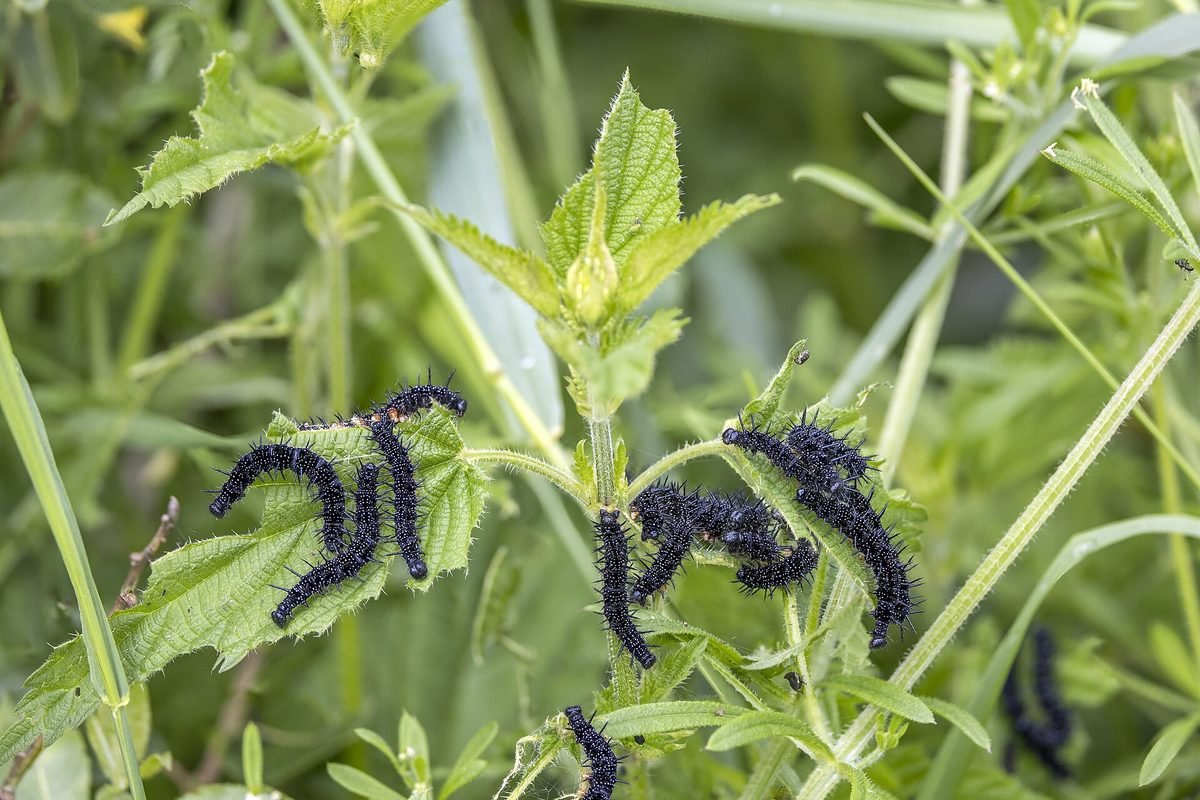
- Stinging nettle: Urtica dioica, with tiny stinging hairs on leaves and stems; wear gloves and long sleeves, and wash the skin if stung.
- Hawthorn: Crataegus, with long sharp thorns on its branches; take care when pruning, and keep thorns away from eyes and face.
- Cactus: With fine spines and sometimes tiny barbed glochids that are hard to see; handle with thick gloves and tongs, never bare hands.
Common Mistakes to Avoid
- Reaching into a thorny bush bare-handed. Most thorn injuries happen in a moment of impatience, when gloves are sitting in the shed.
- Pulling a thorny stem through your hand. A thorn can tear the skin along its length, so cut the stem and lift it with a tool.
- Ignoring a small puncture. A thorn fragment left under the skin can cause swelling and infection, so clean and check every wound.
- Rubbing a nettle sting. Rubbing spreads the irritant and makes the sting worse, so wash gently and leave the skin alone.
First Steps After a Thorn or Sting
If a thorn breaks the skin, wash the area at once with soap and clean water, and remove any visible fragment with clean tweezers, pulling it out in the direction it went in. Apply a clean dressing if the wound is open, and watch it over the next day or two. If the area becomes red, hot, swollen or more painful, or if you develop a fever, seek medical help promptly, because those are signs of infection that needs treatment.
For a nettle sting, wash the skin gently with soap and water, avoid rubbing or scratching, and let the sting fade on its own, which usually takes a few hours. A cool damp cloth can soothe the burn, and an antihistamine cream may help the itch. For hogweed sap, wash the skin at once, cover it from sunlight, and seek medical help if blisters appear, because the burn can be serious and slow to heal.
Frequently Asked Questions
What gloves should I wear for thorny plants?
Thick leather gloves are best for roses, brambles and hawthorn, as thorns can pierce thin fabric or rubber gloves. Choose gauntlet-style gloves that protect your wrists and forearms too.
What should I do if a thorn breaks off under my skin?
Wash with soap and water, remove the fragment with clean tweezers, and seek medical help if pain, redness or swelling grows.
How long does a nettle sting last?
A nettle sting usually burns for a few hours and fades on its own; wash gently, avoid rubbing, and use a cool damp cloth.
When should I see a doctor after a thorn injury?
Seek help promptly if the wound becomes red, hot, swollen or more painful, or if you develop a fever or the thorn cannot be removed.
Try it yourself: upload a photo to the Plant Identifier and see the identification with full details on this site. Read also: Poisonous Plants Identification Safety.
Thorny and stinging plants are easy to handle when you prepare first: leather gloves, long sleeves, long-handled tools and a slow pace. Clean every wound, watch it for a day, and seek help if it worsens. A few minutes of preparation saves hours of pain later.