
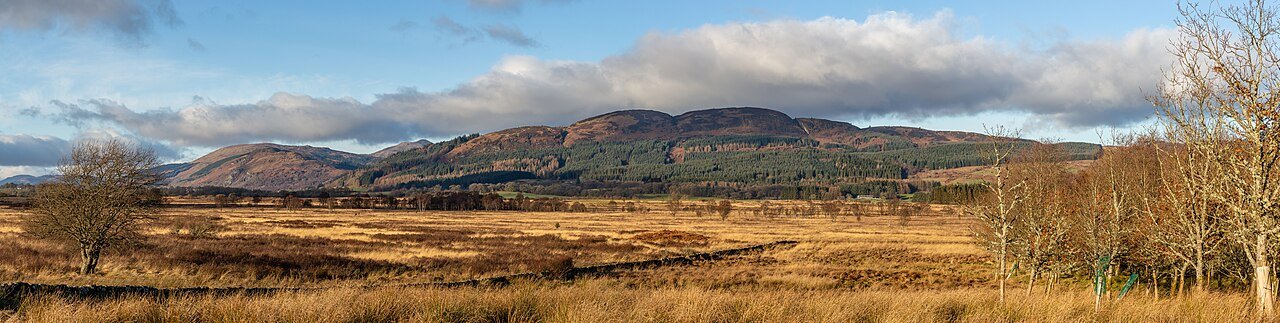
Winter looks like the worst season for tree identification: the leaves are gone, the flowers are gone, and the trees stand bare against a grey sky. In fact, winter is one of the best seasons to learn trees, because it forces you to look at the features that are there all year — the buds, the bark, the twigs and the shape of the whole tree — and those features are often more reliable than leaves.
This guide shows you how to identify a bare tree in four steps, what to photograph in winter, and which trees are easiest to name when they have no leaves at all.
The Winter Features That Matter
Buds are the most informative winter feature. A bud is a tiny package containing next spring's leaf or flower, and its size, shape, colour and arrangement are distinctive. Oak buds are clustered at the tips of the twigs, blunt and scaly. Beech buds are long, thin and pointed, like small cigars. Ash buds are large, black and velvety. Horse chestnut buds are big, sticky and brown. Photograph a bud closely and you have a fingerprint of the tree.
Bark is the second feature, and winter is when it shows best. Without leaves in the way, the whole trunk is visible, and the low winter sun rakes across it, throwing the texture into relief. Birch shows its white peeling bark, oak its deep furrows, cherry its banded lenticels, and ash its diamond-patterned ridges. Photograph the bark in the middle of the day, when the light is strongest.
The shape of the tree is the third feature. In winter the whole skeleton is visible: the trunk, the branches and the twigs. An oak has a broad, spreading, twisted crown; a poplar is tall and narrow; a willow droops; a pine keeps its evergreen needles and its conical shape. Step back and look at the silhouette — it is often enough to narrow the tree to a small group.
How to Identify It Step by Step
- Step back and photograph the whole tree, showing its shape, trunk and branches against the sky.
- Move close and photograph the bark, filling the frame with a section about 30 centimetres across, in daylight.
- Photograph a twig tip closely, showing the buds: their size, colour, shape and whether they are opposite or alternate.
- Look for anything still on the tree: old fruit, seed clusters, cones or dead leaves held through winter.
- Upload the bark or bud photo to the Tree Identifier, then confirm with a field guide for your region.
Trees That Are Easy in Winter
- Silver birch: bright white peeling bark with black marks, visible from far away even in the worst weather.
- Oak: thick furrowed bark, broad spreading crown, and buds clustered at the twig tips.
- Ash: large black velvety buds, diamond-patterned bark, and clusters of winged seeds still hanging on the tree.
- Beech: smooth grey bark and long thin pointed buds like small cigars, with dead leaves often held through winter.
- Cherry: smooth dark bark banded with pale horizontal lenticels, and a neat rounded crown.
Common Mistakes to Avoid
- Giving up in winter. Bare trees can be identified, and winter is the best time to learn bark and buds.
- Photographing bark in deep shade or at dusk, when the texture disappears. Winter light is low and weak, so use the middle of the day.
- Forgetting to look at the buds. Buds are the most reliable winter feature, and a close bud photo is worth more than a distant tree photo.
- Expecting the tree to look the same as in summer. A winter tree is a skeleton, and its shape is different — learn the winter shape as its own feature.
Evergreens in Winter
Evergreen trees keep their leaves all winter, which makes them the easiest trees to identify in the cold months. Pine needles, olive leaves, eucalyptus leaves and holly leaves are all available in every season, and their identification does not change with the calendar. If you are new to winter identification, start with the evergreens: they will give you early successes and build your confidence.
Then move to the bare trees, one feature at a time. Learn five winter trees well — birch, oak, ash, beech and cherry — and you will have a foundation that makes every other bare tree easier to approach.
Frequently Asked Questions
Can you identify a tree in winter without leaves?
Yes. Buds, bark, twigs, remaining fruit and the shape of the tree are all reliable winter features, and many trees are easiest to identify in winter.
What are tree buds and why do they matter?
Buds are the packages that hold next spring's leaves and flowers. Their size, shape, colour and arrangement are distinctive for each species.
What is the best winter tree to learn first?
Silver birch, because its white peeling bark is unmistakable. Then oak, ash, beech and cherry, which all have distinctive bark or buds.
Do evergreen trees change in winter?
No. Evergreens keep their leaves all year, so pine, olive and eucalyptus can be identified in winter exactly as in summer.
Try it yourself: upload a photo to the Tree Identifier and see the identification with full details on this site. Read also: Identify a Tree by Its Bark.
Winter does not hide trees — it reveals them. With the leaves gone, the buds, bark, twigs and shape stand out, and a bare tree becomes an open book. Learn five winter trees well, photograph buds and bark in the midday light, and by spring you will be identifying trees you never noticed before.