
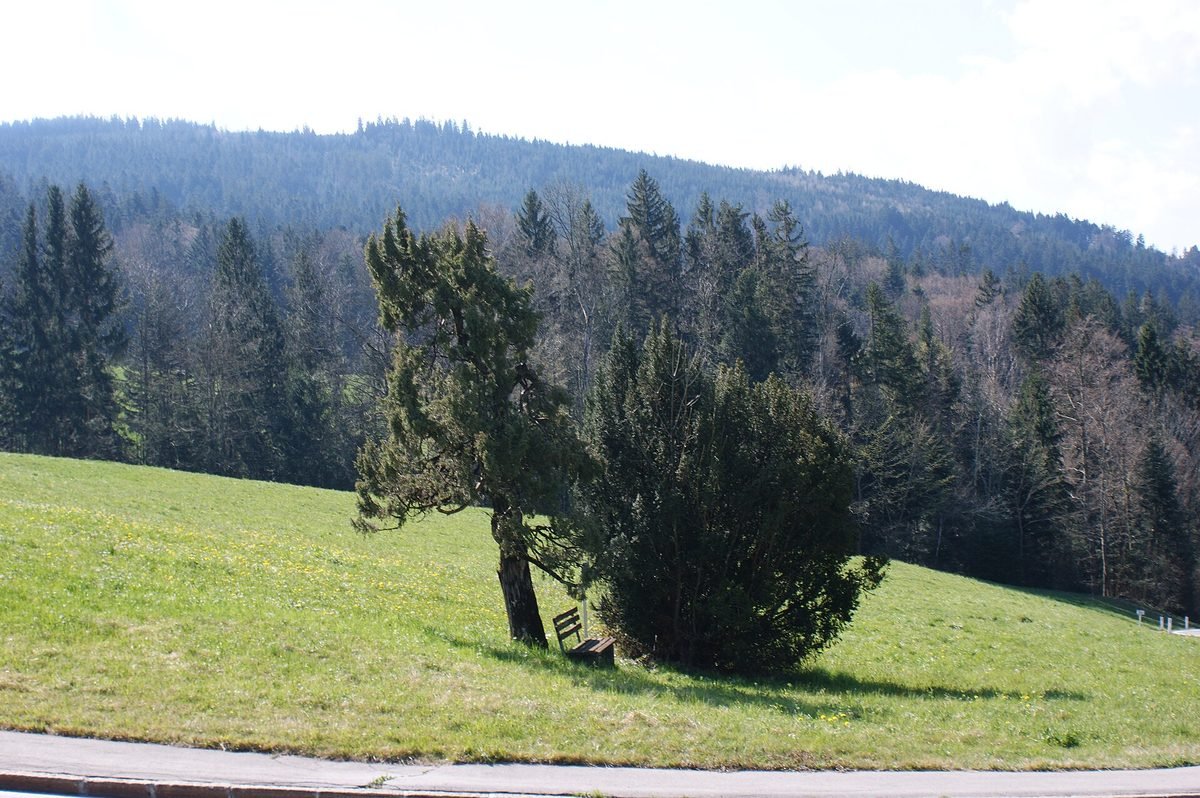
Juniper is a tough evergreen shrub or small tree in the genus Juniperus, and it grows in places where few other trees survive: on dry hillsides, rocky ground, moorland and thin mountain soils. The common juniper, Juniperus communis, is usually a low spreading shrub, but in sheltered places it can grow into a small upright tree up to 10 metres tall. Its prickly needles and blue berry-like cones make it easy to recognise once you know them.
Juniper is often mistaken for other small conifers, especially young cypress or yew, because all three are evergreen and grow in similar places. The key is to check the leaves and the fruit together: juniper needles are sharp and grow in whorls of three, and its cones look like small blue berries. This guide explains each feature and how to photograph it for a confident identification.
Juniper Features to Check
Start with the leaves, which are the most distinctive juniper feature. Common juniper leaves are narrow needles, 1 to 2 centimetres long, sharp and prickly to the touch, and they grow in whorls of three around the twig. Each needle has a broad white band on its upper surface, which gives the foliage a grey green look. Unlike the scale-like leaves of cypress, juniper needles stay needle-shaped for the whole life of the plant.
Next look at the fruit, which is the feature most people notice first. Juniper cones are fleshy and berry-like, round and 6 to 9 millimetres across, green at first and then ripening to a dark blue black with a pale waxy bloom. They take two or three years to ripen, so a single branch often carries green young cones and dark ripe ones at the same time. These berries are the flavouring used in gin, but they should never be eaten from a wild plant without expert advice.
The bark and growth habit complete the picture. Juniper bark is thin, reddish brown and fibrous, peeling away in long narrow strips on older stems. The plant is often a low spreading shrub with many stems, but some forms grow upright into a narrow column or a small tree. When you crush a juniper needle between your fingers it releases a strong resinous smell, a useful check when the leaves and berries are hard to see.
How to Identify It Step by Step
- Look at the leaves and count them. Juniper needles grow in whorls of three around the twig, each one sharp with a white band on top.
- Search for berry-like cones: small round blue black berries with a pale waxy bloom, often beside green unripe ones on the same branch.
- Photograph a small twig with needles and berries on a plain light background in daylight, with the whorls and the berries clearly visible.
- Check the bark on older stems: thin, reddish brown and peeling in long fibrous strips, quite different from smooth grey bark.
- Upload the photo to the Tree Identifier, read the suggested species, then compare the smell of a crushed needle before you decide the identification is correct.
Juniper Species You May Meet
- Common juniper: Juniperus communis, a shrub or small tree with sharp needles in whorls of three and blue berry-like cones 6 to 9 millimetres across.
- Chinese juniper: Juniperus chinensis, a garden species with scale-like adult leaves, blue black cones and a spreading or upright habit.
- Eastern redcedar: Juniperus virginiana, a North American juniper that grows into a tree up to 20 metres, with scale-like leaves and small blue cones.
- Creeping juniper: Juniperus horizontalis, a low ground-cover juniper with scale-like leaves and blue berries, widely planted on banks and rock gardens.
- Prickly juniper: Juniperus oxycedrus, a Mediterranean species with longer sharp needles and larger reddish brown cones that ripen in two years.
Common Mistakes to Avoid
- Confusing juniper with yew. Yew needles grow singly in two flat rows and its fruit is a red cup, while juniper needles grow in whorls of three.
- Confusing juniper with cypress. Cypress leaves are tiny overlapping scales pressed flat to the twig, while juniper needles are sharp and spread outwards.
- Expecting all the berries to be blue. Juniper cones take two or three years to ripen, so green unripe cones beside blue ripe ones are normal.
- Using size alone to judge the plant. Common juniper can be a low shrub or a small tree, and the same species looks very different in exposed and sheltered places.
Juniper Habitats and Uses
Juniper grows in some of the harshest places a tree can live, from windswept moorland and chalk hills to high mountain slopes. It tolerates poor, thin and dry soils, and it is often one of the first shrubs to colonise open ground. Its dense evergreen cover gives shelter to birds and small animals, and its berries feed thrushes and other birds through the winter, which helps spread the seeds to new ground.
People have used juniper for centuries, and its berries flavour gin and some traditional foods, while its wood was once used for small carvings and fence posts. The plant is slow growing and long lived, and old junipers can be several hundred years old even when they are only a few metres tall. Learning to identify juniper helps you notice this tough survivor on walks where larger trees cannot grow.
Frequently Asked Questions
How do I identify a common juniper?
Look for sharp needles in whorls of three with a white band on top, plus small blue berry-like cones and reddish brown peeling bark.
What is the scientific name of the common juniper?
Juniperus communis. It belongs to the cypress family, Cupressaceae, and grows across Europe, Asia and North America.
Are juniper berries safe to eat?
Juniper berries flavour gin, but wild berries should never be eaten without expert advice, as some species are toxic and doses matter.
How tall does a juniper grow?
Common juniper is usually a shrub of 1 to 3 metres, but in sheltered places it can grow into a small tree up to 10 metres tall.
Try it yourself: upload a photo to the Tree Identifier and see the identification with full details on this site. Read also: Identify Trees in Winter Without Leaves.
Juniper is easy to name once you check two features together: sharp needles in whorls of three, each with a white band, and small blue berry-like cones on the same branch. Add the reddish peeling bark and the strong resinous smell, and you will recognise this tough evergreen on hillsides, moors and mountains wherever it grows.