
Wetlands are the places where land and water meet: riverbanks, marshes, fens, ponds and floodplains. The ground is wet for much of the year, and most trees cannot cope with waterlogged soil, because their roots need oxygen. A small group of trees has learned to live with wet feet, and those trees shape the whole wetland, holding banks together, sheltering wildlife and slowing flood water.
The most familiar wetland trees are willows and alders, joined by reeds, sedges and rushes at the water edge. Each has its own way of surviving in wet ground, and each is recognisable once you know what to look for. This guide introduces the main wetland trees and plants, explains how they cope with water, and shows you how to identify them on a riverside walk.
Willows: The Trees of Wet Ground
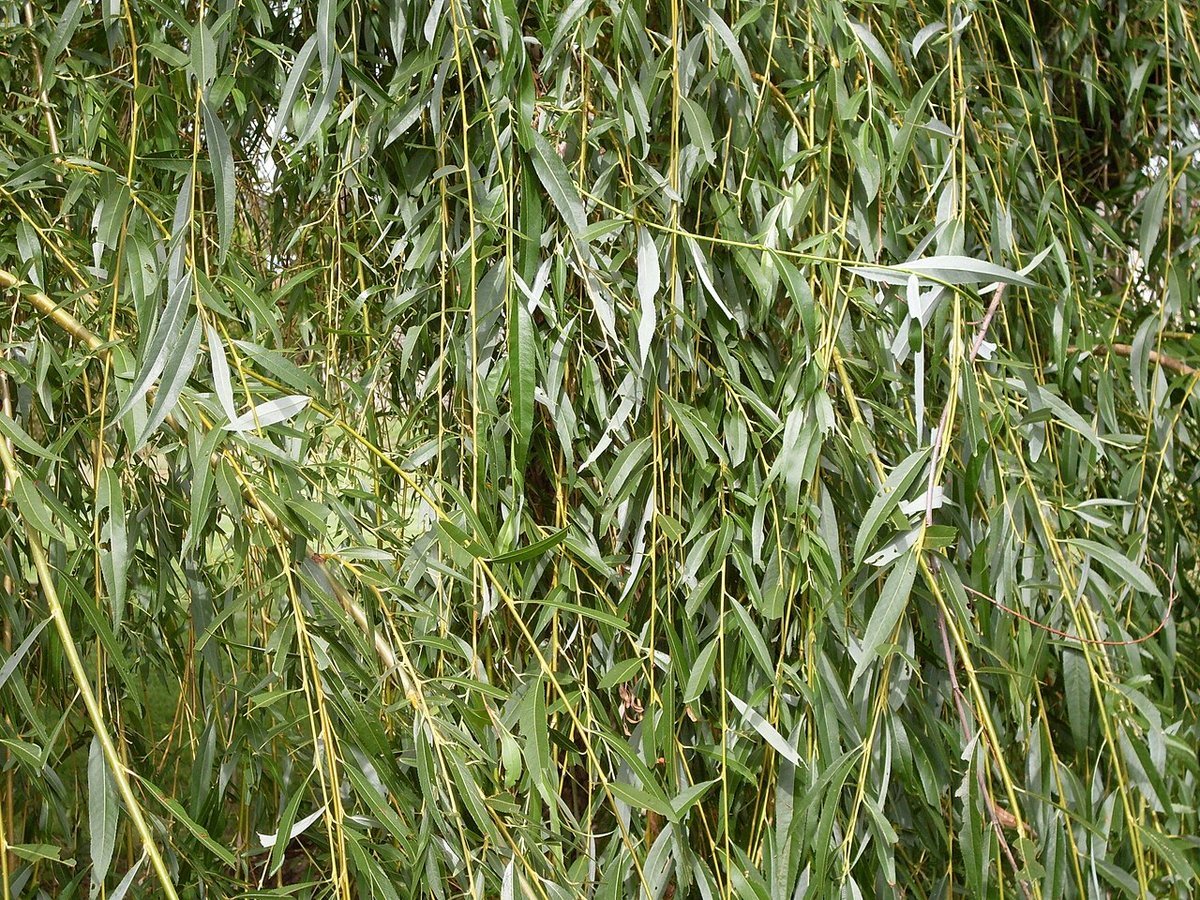
Willows are the classic wetland trees, found along rivers, ponds and ditches almost everywhere in temperate regions. Most willows have long, narrow leaves, flexible twigs and a habit of growing quickly, and many produce soft, silvery catkins in early spring before the leaves open. The weeping willow, with its long branches trailing towards the water, is the best known, but there are many willow species, and they often hybridise, which can make exact identification tricky. Willows cope with wet soil because their roots tolerate low oxygen, they grow fast to replace branches damaged by floods, and a broken twig stuck in wet ground will often root and grow into a new tree.
Alders: The Trees That Feed the Soil
Alders are the other great wetland tree, and they are easy to recognise once you know them. They have roundish, toothed leaves with a blunt or notched tip, dark bark that is often cracked, and small, woody cones that stay on the tree through winter. Those little cones are a giveaway: no other common wetland tree keeps such cones, and they make alders identifiable in every season. Alders partner with bacteria in their roots that take nitrogen from the air and turn it into a form the tree can use. This lets alders grow in poor, wet soils where other trees struggle, and it enriches the soil for the plants around them.
Reeds, Sedges and Rushes at the Water Edge
Below the trees, the water edge belongs to reeds, sedges and rushes. The common reed grows in tall, dense stands in shallow water, with long, flat leaves and feathery flower heads that turn purple-brown in autumn. Sedges look like grasses but have solid, often triangular stems and grow in tussocks, while rushes have round, smooth stems and small, brown flowers. Together they form a fringe that shelters birds, filters water and protects the bank from waves. These plants are worth learning because they tell you about the water itself: tall reeds usually mean shallow, still or slow-moving water, while sedges and rushes mark the damp ground just above the waterline.
Five Steps to Identify a Wetland Tree
Wetland identification is easiest when you combine the tree, its position and the ground beneath it. Follow these steps on your next riverside walk.
- Note exactly where the tree grows: in standing water, on a wet bank, or on drier ground nearby, since position narrows the species quickly.
- Look at the leaves: long and narrow for willows, roundish and toothed for alders, and note whether catkins or cones are present.
- Check the bark and twigs, since willow twigs are flexible and alder bark is dark and cracked.
- Look at the plants growing around the tree, because reeds, sedges and rushes confirm a wetland habitat.
- Photograph the leaves, bark and any catkins or cones, and confirm the species with a field guide or the tree identifier.
What Wetland Trees Do for Wildlife
Wetland trees and plants support more wildlife than almost any other habitat. Their roots, branches and fallen leaves feed and shelter a huge range of animals, from tiny invertebrates to kingfishers and otters.
- Willow catkins provide early spring pollen and nectar for bees and other insects.
- Alder cones and seeds feed birds such as siskins and redpolls through winter.
- Reed beds shelter nesting warblers, ducks and other water birds.
- Fallen leaves and twigs feed aquatic invertebrates that fish and birds depend on.
- Shaded water stays cooler, which helps fish and other aquatic life in summer.
Common Mistakes to Avoid
Most problems in this area come from small, avoidable errors. Keep this short list in mind and you will sidestep the commonest pitfalls.
- Assuming every waterside tree is a willow, when alders and other species grow there too.
- Trying to name a willow from leaves alone, since many willows hybridise and need catkins and bark as well.
- Walking into soft, deep mud or fast water to reach a tree for a closer look.
- Ignoring the plants at the water edge, which often confirm the habitat and the tree species.
- Picking reeds or branches in protected wetlands where collecting is not allowed.
Frequently Asked Questions
How can I tell a willow from an alder?
Willows usually have long, narrow leaves and flexible twigs, and many produce soft catkins in spring. Alders have rounder, toothed leaves with a blunt tip, dark cracked bark, and small woody cones that stay on the tree all winter.
Why do willows grow so well beside rivers?
Willows tolerate waterlogged soil, grow fast, and root easily from broken twigs. Their flexible branches bend in floods instead of breaking, and their roots bind riverbanks together, which makes them ideal riverside trees.
What is the difference between reeds, sedges and rushes?
Reeds are tall grasses with flat leaves and feathery heads. Sedges look like grasses but have solid, often triangular stems. Rushes have round, smooth, usually leafless stems. The old saying is that sedges have edges, rushes are round, and grasses have joints.
Can I plant a willow in a wet part of my garden?
Yes, if you have room. Willows need space and plenty of water, and their roots seek out drains and pipes, so plant them well away from buildings and drains. Alders are often a better choice for a small wet garden.
Willows, alders and reeds are the signature plants of wet ground, and once you can name them, every river walk becomes richer. Use the free tree identifier to check the trees you find by the water, and read our guide to identifying trees through the seasons to see how wetland trees change across the year.
Featured image: Wikimedia Commons (CC / public domain).