
The most common mistake in a small garden is planting a tree for the size it is today, not the size it will become. A young tree in a pot looks harmless, but many popular garden trees grow into giants that shade the whole garden, lift paving and fill the gutters with leaves. Choosing well at the start saves years of difficult pruning and, in the worst cases, the cost of removing a tree that has outgrown its place.
A small garden is not a problem to solve but a space to enjoy, and there are many beautiful trees that stay small enough to suit it. The trick is to think about mature height and spread, roots, soil, light and what you want the tree to do: give shade, flower in spring, colour in autumn, feed wildlife or simply look good. This guide walks through those choices step by step.
Start with Mature Size, Not Pot Size
Every tree has a mature height and spread, and those two numbers matter more than anything else in a small garden. A tree that reaches ten metres tall and eight metres wide will dominate a small plot, while a tree that matures at four or five metres will fit comfortably for decades. Check the mature size on the label or in a reliable reference before you buy, and be cautious with labels that only give the size after ten years. Remember that spread matters as much as height: a wide, spreading crown can shade a whole garden even if it is not very tall. Leave enough room for the tree to grow to its full width without touching the house, the fence or a neighbour garden.
Match the Tree to Your Soil and Light
A tree that suits your soil and light will grow happily with little care, while a tree fighting the wrong conditions will struggle from the start. Check whether your soil is sandy and free-draining, heavy clay, or somewhere in between, and whether it is acid or alkaline. Many small trees, including Japanese maples and rowans, prefer a moist, slightly acid soil, while others tolerate chalky or dry ground. Light matters just as much: a sunny, south-facing garden suits trees that enjoy full sun, while a shady, north-facing garden needs a tree that tolerates shade. Walk your garden at different times of day and note where the sun falls and where frost lingers.
Think About Roots, Mess and Neighbours
Roots cause more trouble than branches in a small garden. Some trees have vigorous, shallow roots that lift paving, crack drains and compete with lawns and flower beds for water. In a small plot, choose a tree with a compact, non-invasive root system, and avoid planting large or thirsty trees near buildings, walls and drains. Think about mess too: a tree that drops large fruit, sticky sap or masses of seed can be a nuisance on a patio or near a car. Talk to your neighbours before planting near a boundary, because a tree that overhangs a fence or shades a neighbour garden can cause friction.
Five Steps to Choose Your Small Garden Tree
Work through these steps in order, and you will end up with a shortlist of trees that genuinely suit your garden rather than a tree you liked in a photo.
- Measure your space and note the mature height and spread you can allow, leaving room for the tree to grow.
- Check your soil type, drainage and light, and note the sunny and shady parts of the garden through the day.
- Decide what you want from the tree: shade, spring flowers, autumn colour, fruit, wildlife value or year-round structure.
- Make a shortlist of trees that fit the size, soil and light, and check their roots, mess and any known problems.
- Buy from a reputable nursery, check the tree for a straight trunk and healthy roots, and plant it at the right depth.
Good Small Trees to Consider
The trees below are widely grown in small gardens and are a good starting point. Exact size varies with cultivar and conditions, so always check the mature size of the variety you buy.
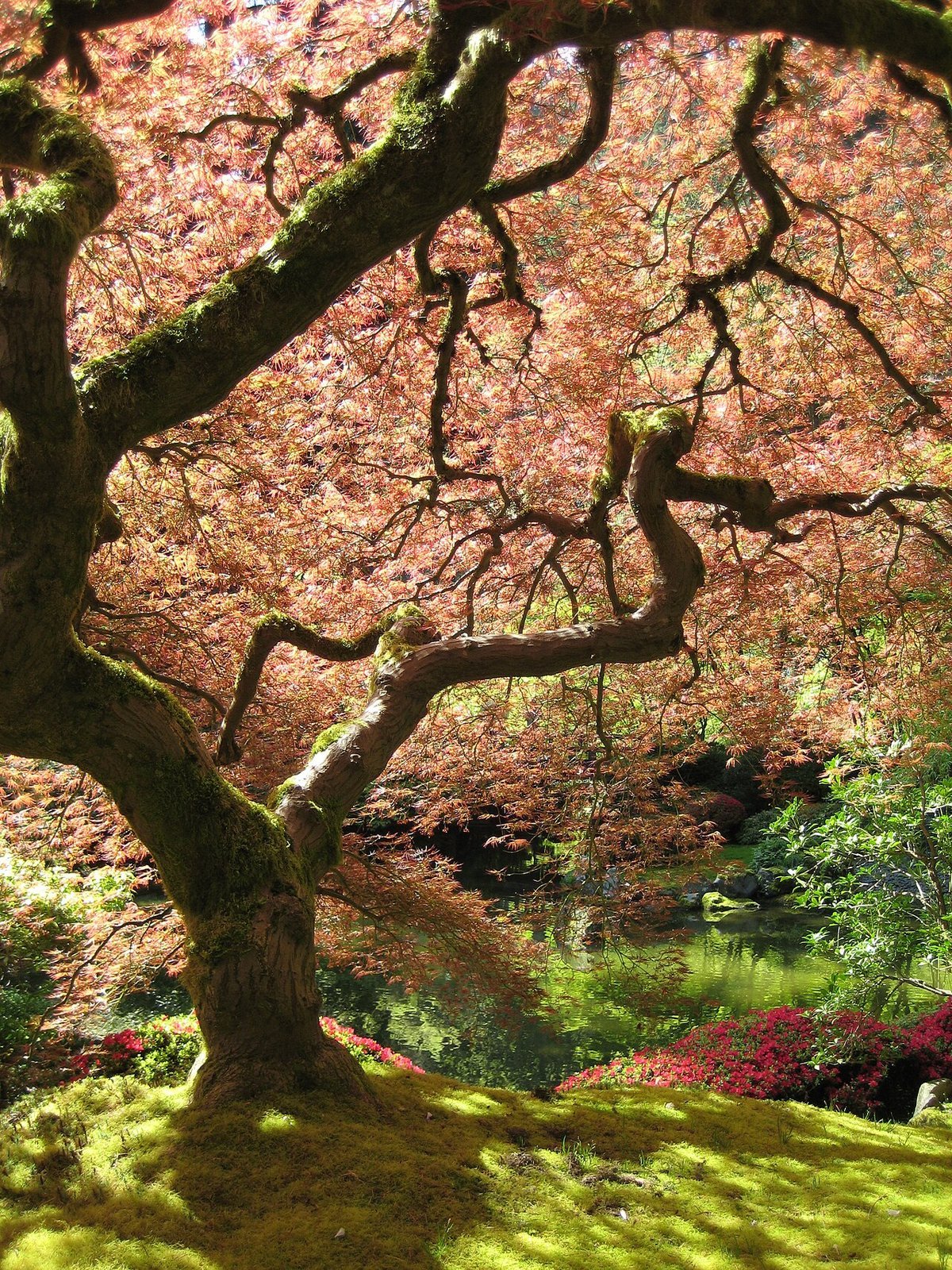
- Japanese maple, grown for its delicate leaves and superb autumn colour in a sheltered spot.
- Rowan, a small tree with spring flowers, autumn berries for birds and good autumn colour.
- Crab apple, with spring blossom, small fruit and a compact, manageable shape.
- Amelanchier, with white spring flowers, summer berries and bright autumn leaves.
- Small ornamental cherries, chosen for blossom and autumn colour, in a sunny position.
Common Mistakes to Avoid
Most problems in this area come from small, avoidable errors. Keep this short list in mind and you will sidestep the commonest pitfalls.
- Buying a tree because it looked good in the nursery, without checking its mature size.
- Planting a large tree too close to the house, fence or drains.
- Choosing a tree that needs acid soil for a chalky garden, or full sun for a shady plot.
- Forgetting about fallen fruit, sticky sap or heavy leaf fall on patios and cars.
- Planting without talking to neighbours when the tree will overhang a boundary.
Frequently Asked Questions
What is the best tree for a very small garden?
It depends on your soil and light, but small trees such as Japanese maple, amelanchier, rowan and crab apple are popular because they stay compact, offer several seasons of interest and have modest roots. Always check the mature size of the cultivar you buy.
How far from a house should I plant a tree?
As a rough guide, plant at least as far from a building as half the tree mature spread, and further for large or thirsty trees. Check local guidance, and avoid planting any tree close to drains or foundations.
Can I grow a tree in a container in a small garden?
Yes, many small trees grow well in large containers, including Japanese maples and some dwarf fruit trees. Use a large pot, good compost, regular watering and feeding, and repot every few years.
Do small trees still need pruning?
Yes, but only lightly. Remove dead, crossing or damaged branches and keep the shape open. Most small trees need only a short annual check once established.
Choose for the tree your garden will hold in twenty years, not the one in the pot today, and it will reward you for decades. Once you have chosen, use the free tree identifier to name trees you already have, and read our guide on how to grow a tree from seed if you would like to raise your own.
Featured image: Wikimedia Commons (CC / public domain).