
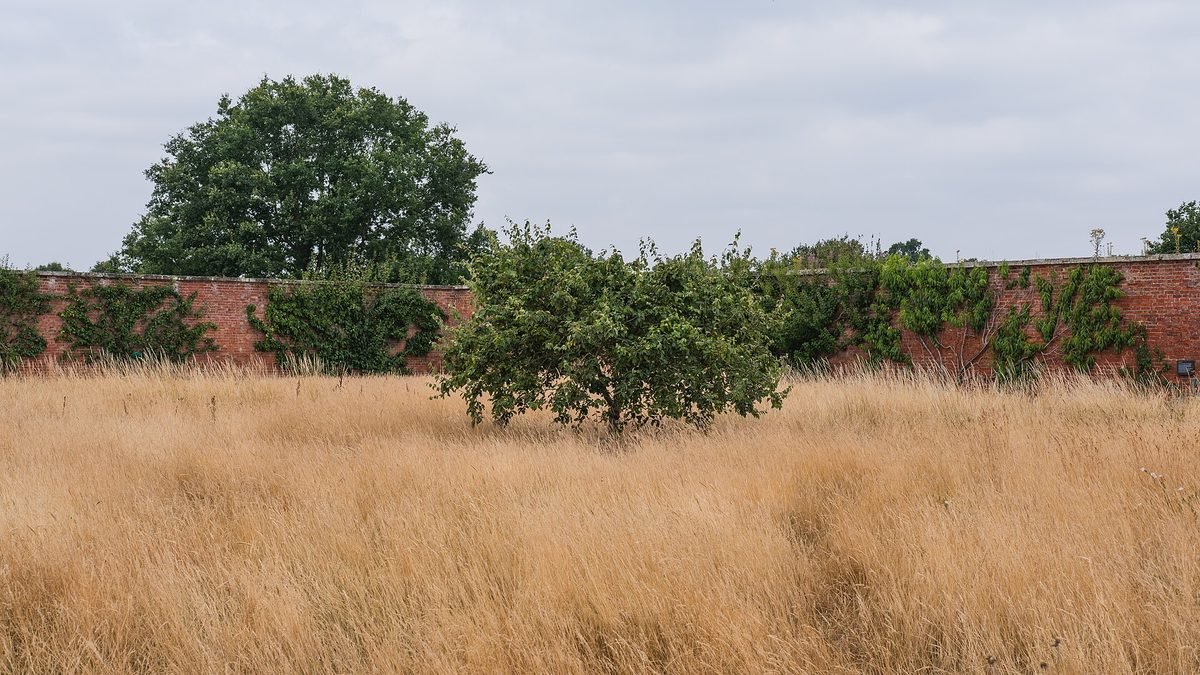
Many people think a fruit tree needs an orchard, but a small garden can grow a surprising amount of fruit. Dwarf trees stay under two metres, espaliers grow flat against a wall, and a single apple tree in a large pot can feed a family for weeks in autumn. The secret is choosing the right size of tree for your space, and then giving it sun, water and a yearly prune.
A small garden changes the rules in useful ways. A wall stores heat and ripens fruit earlier, a sheltered corner protects blossom from frost, and a tree you can reach without a ladder is a tree you will actually prune, thin and pick. This guide shows how to fit fruit trees into the space you have, and which varieties reward a small gardener best.
Making Fruit Trees Fit a Small Space
Rootstock controls size, and it matters more than the variety name. An apple on a dwarfing rootstock stays under two metres and fruits within two or three years, while the same variety on a vigorous rootstock becomes a six-metre tree that takes a decade to fruit. Ask for dwarf or semi-dwarf rootstocks, and check the expected final height before you buy. The label is the most important thing on the tree.
Training shapes the tree to your space. An espalier grows flat against a wall or fence in horizontal tiers, a cordon grows as a single upright stem at an angle, and a fan spreads its branches like an open hand. These shapes look beautiful, they fit narrow spaces, and they make picking and pruning easy, because every fruit is within arm's reach.
Containers open fruit growing to balconies and patios. A large pot, at least forty-five centimetres wide, with free-draining compost and regular watering, can support a dwarf apple, a fig, a lemon or a blueberry bush. Container trees need more feeding and watering than planted trees, because their roots cannot reach deep soil, but they reward the effort with fruit where no tree could otherwise grow.
How to Identify It Step by Step
- Measure your sunniest spot. Fruit trees need at least six hours of direct sun a day to ripen sweet fruit.
- Choose a dwarf or semi-dwarf tree, and check that its pollination needs match your garden. Many apples need a second variety nearby.
- Plant in autumn or early spring in a wide hole, with the graft union above the soil, and water deeply.
- Train the young tree into its shape in the first two years, tying new growth to wires or a frame while it is still flexible.
- Prune once a year in winter, feed in spring, thin the young fruit in early summer, and water through dry spells.
Best Fruit Trees for Small Gardens
- Dwarf apple: An apple on dwarf rootstock stays small, fruits early, and gives a reliable crop every autumn with one winter prune.
- Espalier pear: A pear trained flat against a sunny wall ripens early and looks beautiful, though it needs regular summer pruning.
- Fig: A fig in a large pot or against a warm wall fruits heavily in hot summers and needs almost no pruning.
- Lemon: A lemon in a pot can be moved indoors in winter, and it gives fruit and fragrant blossom for most of the year.
- Cherry on dwarf rootstock: A compact cherry gives a short, sweet harvest in early summer, but net it against birds or they will take it all.
Common Mistakes to Avoid
- Buying a full-size tree for a small garden. A vigorous tree soon shades the whole garden and is hard to prune or pick.
- Ignoring pollination. Many fruit trees need a compatible partner nearby, or they flower beautifully and set almost no fruit.
- Planting in shade. A fruit tree in shade grows leaves but little fruit, and the fruit it does make stays sour and small.
- Forgetting to water containers. A potted fruit tree dries out fast in summer, and one dry week can cost you the whole crop.
Pruning and Feeding in a Small Garden
A small fruit tree needs a small yearly prune, and winter is the time to do it. Remove dead, crossing and crowded branches, keep the centre open so light reaches every fruit, and cut back long new shoots by about a third. An espalier or cordon needs a light summer prune too, to keep its shape tight and to let the sun reach the ripening fruit.
Feed lightly in spring with a balanced fertiliser or a mulch of compost, and water deeply in dry weather, especially while the fruit is swelling. Thin the young fruit in early summer, leaving one fruit every ten to fifteen centimetres, because a tree that tries to ripen too many fruits will give you many small sour ones instead of fewer large sweet ones. Pick fruit when it comes away easily with a gentle twist, and enjoy the harvest you grew in a space you thought was too small.
Frequently Asked Questions
Can I grow a fruit tree in a pot?
Yes. A dwarf apple, fig, lemon or blueberry grows well in a pot at least forty-five centimetres wide, with regular watering and feeding.
Do I need two fruit trees for pollination?
Many apples, pears and cherries need a second compatible variety nearby. Some, such as most peaches and figs, are self-fertile.
How big does a dwarf fruit tree grow?
Usually between one and a half and two and a half metres, depending on the rootstock and variety.
When should I prune a small fruit tree?
Prune in winter while the tree is dormant, and give espaliers and cordons a light trim in summer to keep their shape.
Try it yourself: upload a photo to the Fruit Identifier and see the identification with full details on this site. Read also: How to Grow a Tree from Seed.
A small garden is no barrier to fruit growing. Pick a dwarf tree, train it to your wall or grow it in a pot, give it sun and a yearly prune, and a space you thought was too small can give you fresh fruit every year.