
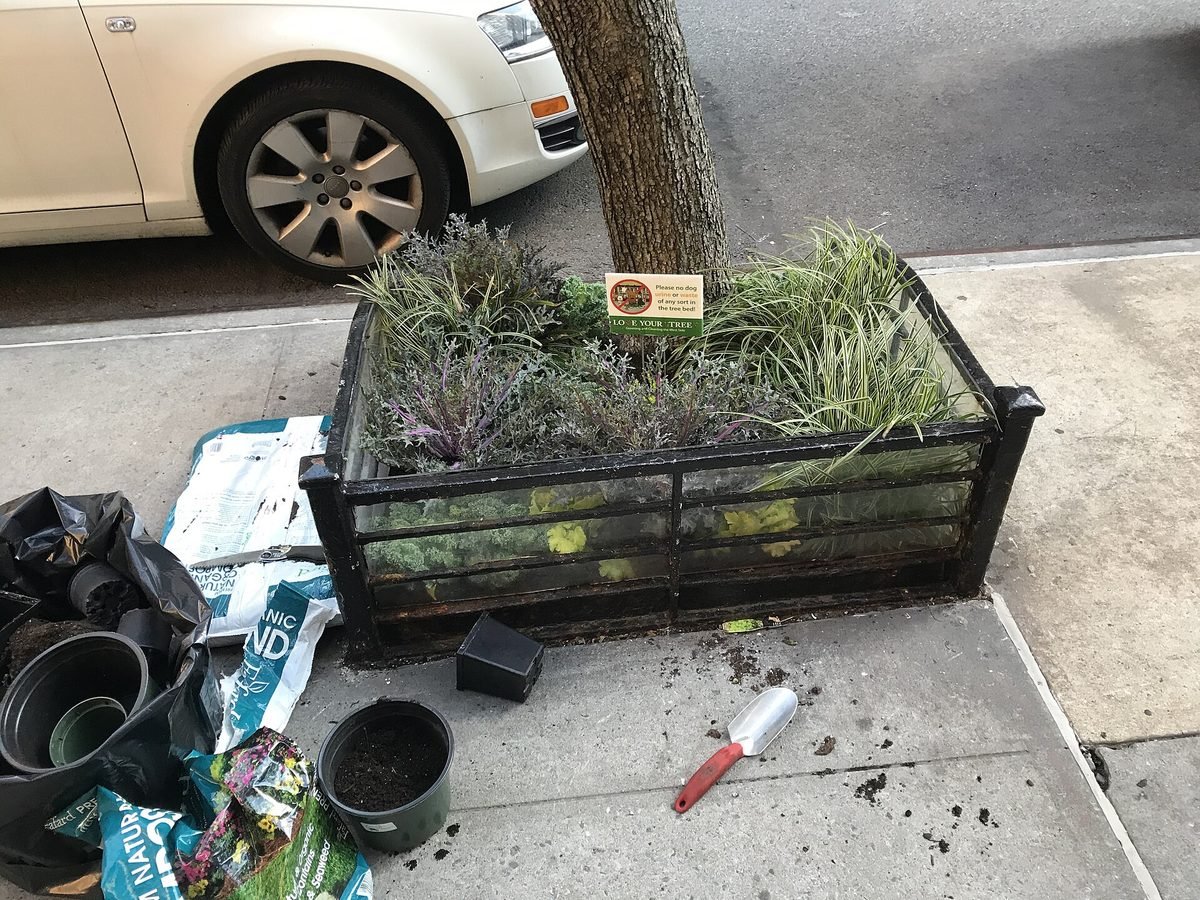
Mulch is the simplest and cheapest gift you can give a tree. A layer of bark, wood chips or compost around the base keeps the soil cool and damp, stops weeds, feeds the soil as it breaks down, and protects the trunk from mowers and strimmers. Trees in forests mulch themselves every autumn, when their own fallen leaves cover the ground, and garden trees benefit from the same treatment.
Yet mulch is also one of the most misused garden materials. Piled high against the trunk like a volcano, it traps moisture against the bark, invites rot and pests, and can slowly kill the very tree it was meant to help. This guide explains what mulch does, which materials to use, and how to spread it so your tree gets all the benefit and none of the harm.
What Mulch Does for a Tree
Mulch saves water. A layer five to eight centimetres thick shades the soil, slows evaporation, and keeps the ground damp for much longer after rain or watering. That matters most for young trees, whose roots are still shallow, and in hot dry summers when the top layer of soil can dry out in a day. A mulched tree needs watering far less often than a bare one.
Mulch feeds the soil. As bark, wood chips or compost break down, they add organic matter that improves soil structure, holds nutrients, and feeds the worms and fungi that keep soil alive. Over a few years, mulched soil becomes darker, softer and richer, and the tree's fine roots grow into it eagerly. This is a slow effect, but it is one of the most valuable things mulch does.
Mulch protects the tree. It stops grass and weeds competing for water and nutrients, and it keeps mowers and strimmers away from the bark, where a single nick can open the way to disease. It also cushions the soil against heavy rain, so the ground does not compact or wash away, and it evens out soil temperature through hot days and cold nights.
How to Identify It Step by Step
- Clear grass and weeds from a wide ring around the tree, at least as wide as the branch spread on a young tree.
- Water the soil deeply before mulching, so the mulch locks moisture in rather than covering dry ground.
- Spread bark, wood chips or compost five to eight centimetres deep, in a wide flat ring, not a heap.
- Keep the mulch ten to fifteen centimetres away from the trunk, so the bark stays dry and air can reach it.
- Top up the mulch once a year, and pull it back in spring to check the soil and trunk are healthy underneath.
Mulch Materials Compared
- Bark chips: The best all-round tree mulch. Long lasting, neat looking, and slow to break down, so it needs topping up only once a year.
- Wood chips: Cheap and widely available, especially from tree surgeons. Let fresh chips age for a few weeks before use.
- Compost: Rich and fast acting, but it breaks down quickly and needs frequent topping up. Best mixed with bark for trees.
- Leaf mould: Free, gentle and excellent for soil life. Make it from autumn leaves in a wire bin and use it after a year.
- Straw: Good for young trees in vegetable gardens, but it breaks down fast, blows about, and can shelter slugs and mice.
Common Mistakes to Avoid
- Volcano mulching. Piling mulch against the trunk traps moisture, rots the bark and invites pests. Always leave a clear gap.
- Mulching too deep. More than ten centimetres of mulch can smother roots and stop air and water reaching the soil.
- Mulching dry soil. Mulch over dry ground locks the dryness in. Always water deeply first, then mulch.
- Using fresh manure or sawdust. Fresh manure burns roots, and fresh sawdust steals nitrogen from the soil as it rots.
Mulch Through the Seasons
Spring is the best time to mulch, after the soil has warmed and you have watered it well. A fresh layer in spring carries the tree through the dry summer, and it breaks down slowly through the year. Autumn is the second-best time, when a layer of fallen leaves or bark protects the roots from winter cold and feeds the soil as it rots.
Check under the mulch at least once a year. Pull it back and look at the trunk and the soil surface. The bark should be dry and firm, the soil damp and full of life, and there should be no smell of rot, no fungal mats, and no girdling roots circling the trunk. If you find problems, clear the mulch away, let the area dry, and fix the cause before mulching again.
Frequently Asked Questions
How deep should tree mulch be?
Five to eight centimetres is right. Less than that dries out fast, and more than ten centimetres can smother the roots.
Should mulch touch the tree trunk?
No. Keep mulch ten to fifteen centimetres away from the trunk, in a flat ring like a doughnut, never a volcano.
What is the best mulch for trees?
Bark chips are the best all-round choice. Wood chips are cheaper, and compost is good for a quick soil boost.
When should I mulch my trees?
Spring is best, after watering the soil. Autumn is also good, to protect roots through winter.
Try it yourself: upload a photo to the Tree Identifier and see the identification with full details on this site. Read also: How to Water Trees Correctly.
Good mulching is simple: a wide flat ring, five to eight centimetres deep, kept away from the trunk, on soil you have watered first. Done that way, mulch saves water, feeds the soil and protects the tree for years, and it costs almost nothing.