
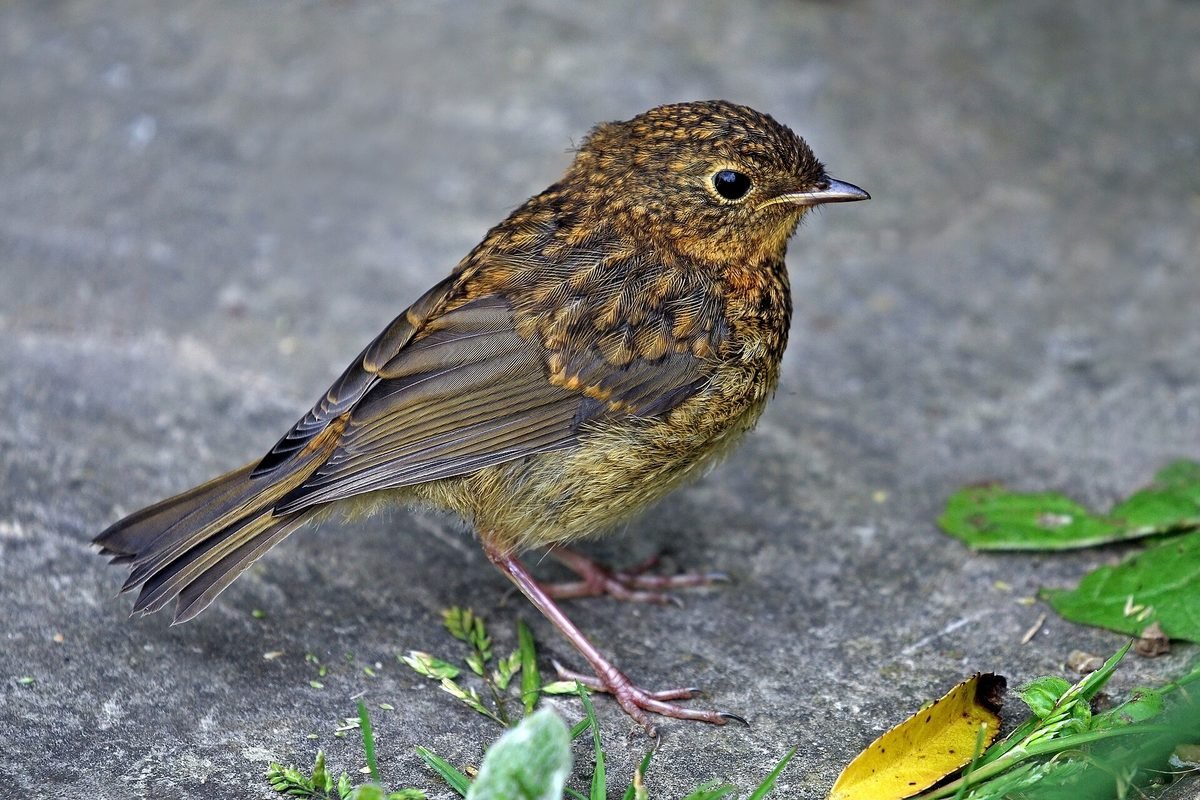
A wildlife-friendly garden is not a messy garden. It is a garden planned so that birds, bees, butterflies, frogs and hedgehogs can find food, water and shelter in it, alongside the flowers and vegetables you enjoy. You do not need a large garden, and you do not need to spend much money. A few simple changes can bring wildlife back within a single season.
The secret is variety. Wildlife needs different things at different times: flowers in spring, water in summer, fruit in autumn and shelter in winter. A garden that offers all of these, even in a small space, will soon be busy with life, and watching it is one of the great pleasures of gardening.
The Four Things Wildlife Needs
Food comes from flowers, fruit and insects. Plant flowers that bees and butterflies can reach, with open shapes and plenty of nectar, and let some herbs flower instead of cutting them all back. A native tree or shrub adds berries and seeds in autumn, and a patch of long grass or a log pile breeds the insects that feed baby birds in spring.
Water is the single most valuable addition to any garden. Even a shallow dish of water, refreshed daily, helps birds drink and bathe, and bees land on its edge to drink on hot days. A small pond, even one made from an old washing-up bowl sunk in the ground, can bring frogs, newts and dragonflies within weeks, and it gives birds a safe place to bathe.
Shelter means places to hide, nest and sleep. Dense shrubs, a hedge, a log pile, a compost heap and a patch of long grass all give wildlife somewhere safe. A nest box on a wall, a bee hotel in a sunny spot, and a gap under the fence for hedgehogs cost little and are used quickly.
Chemical-free care ties it all together. Pesticides kill the insects that birds need, and slug pellets can poison hedgehogs and birds. Tolerate a few chewed leaves, pick off pests by hand, and let birds and frogs do the pest control for you. A garden without chemicals is a garden full of life.
How to Identify It Step by Step
- Plant a mix of native flowers, shrubs and at least one tree, so there is food in every season.
- Put out a shallow dish of water, refreshed daily, or dig a small pond in a sunny spot.
- Leave a corner wild, with long grass, a log pile and leaf litter, for shelter and nesting.
- Put up a nest box and a bee hotel, and leave a small gap under the fence for hedgehogs.
- Stop using pesticides and slug pellets, and let birds, frogs and beetles control pests for you.
Easy Wildlife Wins for Any Garden
- A bird feeder: A simple feeder with seeds and fat balls brings finches, tits and robins within days, especially in winter.
- A bee hotel: A small wooden box with hollow tubes gives solitary bees a safe place to lay eggs in spring and summer.
- A log pile: A pile of logs in a shady corner shelters beetles, frogs, toads and hedgehogs all year round.
- A small pond: Even a bowl-sized pond brings frogs, newts and dragonflies, and gives birds somewhere to bathe.
- A wild corner: One square metre of long grass and wildflowers feeds butterflies and bees all summer long.
Common Mistakes to Avoid
- Using pesticides. Sprays kill the insects birds need to feed their chicks, and they poison the whole food chain.
- Keeping the garden too tidy. A garden with no leaf litter, no long grass and no log pile has nowhere for wildlife to live.
- Feeding birds the wrong food. Bread and milk harm birds. Use seeds, nuts and fat balls, and keep feeders clean.
- Forgetting water. Wildlife needs water every day, especially in summer. A dry garden is a garden wildlife passes by.
Wildlife Through the Year
In spring, put out nest boxes and let early flowers bloom for hungry bees. In summer, keep water topped up, let some herbs flower, and watch butterflies on sunny days. In autumn, leave berries on shrubs, let leaves fall where they can, and leave seed heads standing for finches. In winter, keep feeders full, leave a gap in the ice on ponds, and resist the urge to tidy the garden until spring.
Within a year, a wildlife-friendly garden changes completely. You will see more birds, more bees, more butterflies, and perhaps a hedgehog snuffling through the leaves at dusk. It costs little, it needs less work than a perfect lawn, and it turns an ordinary garden into a living place.
Start small and watch what arrives. You do not need to change the whole garden at once. Add one thing this month, a feeder or a water dish or a log pile, and see what uses it. Then add another. Within a year your garden will be busier than it was, and you will know exactly which changes made the difference, because you watched them happen one at a time.
Frequently Asked Questions
How do I attract birds to my garden?
Put out seeds and fat balls, keep fresh water available, and plant shrubs and trees where birds can shelter and nest.
What is the easiest wildlife feature to add?
Water. A shallow dish refreshed daily helps birds, bees and butterflies immediately, and costs nothing.
Should I stop mowing my lawn?
You do not need to stop, but leave one patch long through summer. Long grass feeds butterflies and shelters insects.
Are pesticides bad for wildlife gardens?
Yes. They kill the insects birds need and can poison hedgehogs and frogs. Use hand-picking and natural predators instead.
Try it yourself: upload a photo to the Garden Plant Identifier and see the identification with full details on this site. Read also: How Trees Support Wildlife Habitats.
A wildlife-friendly garden needs only four things: food, water, shelter and no chemicals. Add those, even in a small space, and birds, bees and butterflies will find your garden within a season and keep coming back.