
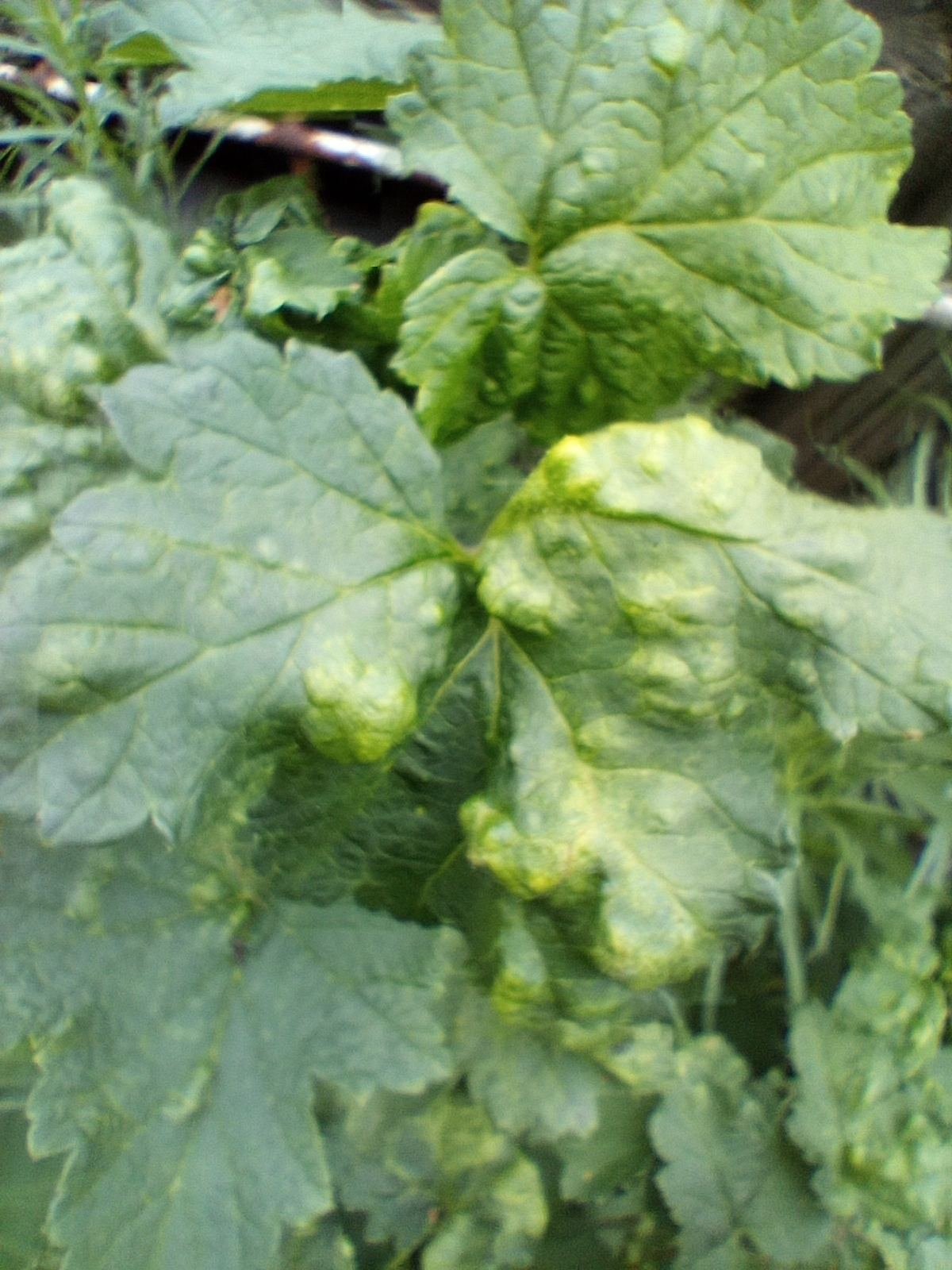
Tree pests are usually small, hidden and active at times when nobody is watching. The insects themselves may be gone by the time you notice a problem, but the damage they leave behind is a clear record of what happened.
This guide does not ask you to catch the pest. Instead, it teaches you to look at the pattern of the damage: where it is, what shape it takes, and when it appeared.
Chewing Damage on Leaves
Chewing insects, such as caterpillars, beetles and sawfly larvae, eat leaf tissue and leave clear, ragged marks. Caterpillars often feed from the edge of a leaf inward, leaving smooth, curved bites, while beetles may chew small holes across the blade.
Look at which leaves are affected. Damage on young, soft leaves in spring often comes from caterpillars that hatch as buds open, while damage spread across the whole crown in summer may point to beetles. A few chewed leaves on a large, healthy tree are normal and rarely need action.
Boring and Tunnelling Damage
Boring insects live inside the wood, so you rarely see them, but their signs are distinctive. Look for small, round or D-shaped exit holes in the bark, fine sawdust-like frass pushed out of holes or gathering at the base of the trunk, and sections of bark that lift away to reveal winding tunnels underneath.
Borers usually attack trees that are already stressed by drought, damage or disease, so their presence is often a warning that the tree needs better care. Young trees and newly planted trees are the most vulnerable. If you find exit holes and frass on the trunk of a young tree, take clear photographs and seek advice from a local arborist or extension service, because borer damage inside the trunk is hard to judge from the outside.
Sucking Pests and the Marks They Leave
Sucking pests, such as aphids, scale insects and mites, feed by piercing leaves and stems and drawing out sap. They are often found in clusters on the undersides of leaves or on young shoots. Their damage is more subtle than chewing: leaves may curl, pucker or yellow, shoots may be stunted, and a sticky substance called honeydew may coat the leaves below, sometimes followed by a black, sooty mould.
Aphids are the most common sucking pest on garden trees, and they often attract ants, which feed on the honeydew and protect the aphids from predators. If you see ants marching up a trunk in large numbers, look closely at the shoots above, because aphids are often the reason. Small numbers of aphids are a normal part of a garden ecosystem and are usually controlled by ladybirds, lacewings and birds, so a few curled leaves are not a cause for alarm.
Five Steps to Identify a Pest from Its Damage
Work through these steps in order, and write down what you find at each stage. A careful record is far more useful than a guess, and it helps an expert identify the pest if you need to ask for advice.
- Note the tree and the date. Record the species if you know it, and the date, since many pests are active only in certain months.
- Describe the damage pattern. Is it chewing, mining, boring, galling or sucking damage, and is it on leaves, shoots, bark or roots?
- Check where the damage is. Damage on young growth, old leaves, the trunk or the roots points to different pests.
- Look for the pest or its traces. Search leaf undersides, bark crevices and the ground below for insects, frass, silk, honeydew or shed skins.
- Photograph everything. Take clear, close photographs of the damage and the whole tree, so you can compare it over time or share it with an expert.
Other Damage Patterns Worth Knowing
- Leaf mines: pale, winding trails inside the leaf, often with a dark line of frass.
- Galls: round, spiky or blister-like swellings on leaves, buds or twigs.
- Sticky honeydew: a shiny, sticky coating on leaves below a feeding colony.
- Silk webs: fine webbing joining leaves together, often with caterpillars inside.
Common Mistakes to Avoid
- Blaming the first insect you see. Many insects on a damaged tree are predators or harmless visitors, not the pest that caused the damage.
- Spraying before you know the pest. A general spray can kill helpful predators and make the problem worse, so identify first and act second.
- Ignoring the tree species. The same damage can mean different pests on different trees, so naming the tree matters.
- Confusing disease with pest damage. Spots, wilting and dieback can come from fungi or bacteria too, so check the whole picture.
- Expecting a perfect, pest-free tree. A few chewed leaves and a few insects are normal in a healthy garden ecosystem.
Frequently Asked Questions
What pest eats leaves from the edge inward?
Caterpillars are the most common cause of smooth, curved bites taken from the edge of a leaf. Beetles tend to chew holes in the middle of the leaf, and sawfly larvae often feed in groups and can skeletonise a leaf quickly.
Are galls on leaves harmful to the tree?
Most leaf galls do little harm to a large, healthy tree, even when they look dramatic. They are usually a cosmetic problem, and the tree continues to grow normally.
What is the sawdust at the base of my tree trunk?
Fine sawdust, called frass, pushed out of small holes or gathering at the base of the trunk is a classic sign of boring insects. It can also come from woodpeckers or from pruning, so check for neat round or D-shaped exit holes in the bark and for wilting branches above before deciding.
Should I remove leaves damaged by pests?
For a few damaged leaves, no action is needed. If a pest is heavy, removing badly affected leaves can reduce numbers, but do not strip a tree bare, since it needs its leaves to make food.
Reading pest damage is a skill that builds quickly once you start looking for patterns rather than insects. Name the tree first with the tree identifier, then compare the damage with our guide to how to spot sick trees and the tree disease identifier. If the damage is spreading fast or the tree is young, stressed or near a building, a local arborist or extension service can confirm the pest and advise on safe, targeted action.
Featured image: Wikimedia Commons (CC / public domain).