
Sometimes a tree is in the wrong place. It may be too close to a house, shading a vegetable patch, or simply planted where a path needs to go. Moving it is possible, but a tree is not a piece of furniture, and a careless move will kill it. The good news is that a careful transplant, done at the right time of year, succeeds far more often than most people expect.
The key idea is the root ball. A tree's fine feeding roots live in the top layer of soil around the drip line, and if you cut away too many of them, the tree cannot drink enough water to support its leaves. A successful transplant keeps as much of the root system as possible, moves the tree while it is dormant, and then waters it generously for a full year.
When and How to Move a Tree
Timing decides most of the outcome. The best time to transplant is late autumn or early winter, after the leaves have fallen and before the ground freezes. The tree is dormant, so it loses little water through its leaves, and the cool damp soil helps new roots grow before spring. Early spring is the second choice. Never transplant in full leaf in summer, when the tree is losing water fast and the heat stresses every cut root.
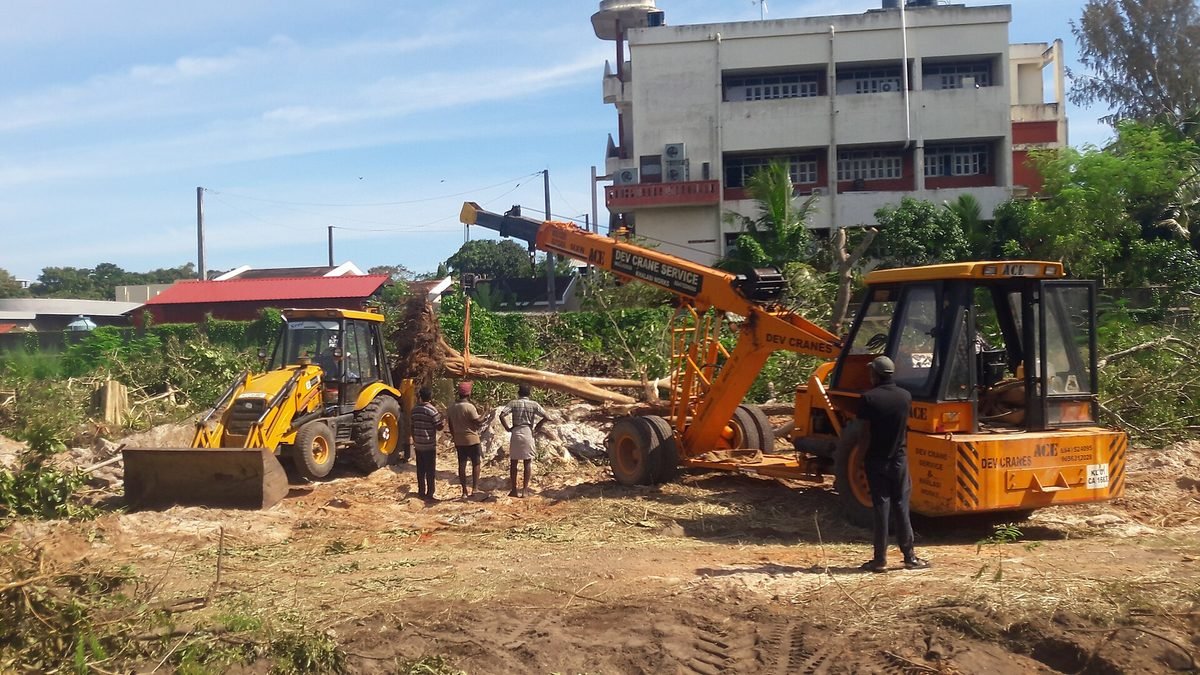
Size sets the limit. A young tree under two metres tall, with a trunk less than five centimetres thick, moves easily and usually recovers in one season. A larger tree needs a much bigger root ball, heavy equipment and professional help, and even then the risk rises sharply. As a rough rule, the root ball should be about ten times the trunk diameter wide, so a five-centimetre trunk needs a root ball about fifty centimetres across.
Preparation makes the move easier. Water the tree deeply the day before, so the soil holds together and the roots are hydrated. Tie up low branches to keep them out of the way, and mark the north side of the trunk with a ribbon, so you can plant the tree facing the same way it grew. Dig the new hole before you lift the old tree, so the roots spend as little time as possible in the air.
How to Identify It Step by Step
- Choose a dormant day in late autumn or early winter, and water the tree deeply the day before the move.
- Dig the new hole first, twice as wide as the root ball and no deeper than the root ball itself.
- Dig a wide trench around the tree, cut the roots cleanly with a sharp spade, and lift the root ball with the soil intact.
- Wrap the root ball in hessian or a tarp so it does not crumble, and move the tree without dropping or shaking it.
- Plant at the same depth, facing the same direction, backfill with the original soil, water deeply, and mulch around the base.
Trees That Transplant Well and Poorly
- Young fruit trees: Apple, pear and plum trees under three years old move very well, and they usually fruit again within a year or two.
- Maple and birch: Young maples and birches transplant well in dormancy, though birch dislikes dry soil after the move.
- Willow: Willow is one of the toughest trees to move. It roots easily and recovers fast, even from a rough transplant.
- Oak: Oak grows a deep taproot early, so young oaks need a deep root ball and older oaks are best left where they are.
- Pine and conifers: Conifers dislike root disturbance and transplant best when small, with the root ball kept fully intact and moist.
Common Mistakes to Avoid
- Moving a tree in summer. A tree in full leaf loses water faster than its cut roots can replace it, and it wilts within days.
- Taking too small a root ball. Most of the feeding roots are near the surface, and a narrow ball leaves the tree unable to drink.
- Planting too deep. A tree planted deeper than it grew will slowly suffocate, because the roots need air as well as water.
- Forgetting to water after the move. A transplanted tree needs deep watering through its first summer, even if it rains sometimes.
Aftercare: The First Year After the Move
The first year after a transplant is a recovery year, and your job is to keep the tree watered and undisturbed. Water deeply once a week in dry weather, soaking the whole root ball, and mulch with bark or compost to keep the soil cool and damp. Do not fertilise in the first year, because fertiliser pushes soft leafy growth that the damaged roots cannot support, and it can burn new roots.
Expect the tree to look unhappy at first. Some leaf drop, smaller leaves or a thin crown are normal while the roots regrow, and they do not mean the tree is dying. By the second spring, a successful transplant puts out strong new shoots, and by the third year it should be growing normally again. If the tree fails to leaf out by late spring, or the bark is dry and brittle under the surface, it has probably not survived, and it is time to replace it.
Frequently Asked Questions
What is the best time to transplant a tree?
Late autumn or early winter, when the tree is dormant and the leaves have fallen. Early spring is the second-best time.
How big should the root ball be?
About ten times the trunk diameter wide. A five-centimetre trunk needs a root ball roughly fifty centimetres across.
Can I transplant a large mature tree?
It is possible with professional equipment, but it is expensive and risky. Large trees often suffer for years, and many do not survive.
How long does a transplanted tree take to recover?
Most young trees recover in one to two growing seasons. Expect some leaf drop and slow growth in the first year.
Try it yourself: upload a photo to the Tree Identifier and see the identification with full details on this site. Read also: How to Care for a Newly Planted Tree.
A safe transplant comes down to three things: move the tree while it is dormant, keep a generous root ball intact, and water it deeply through its first year. Do those well and a tree in the wrong place can become a healthy tree in the right one.