
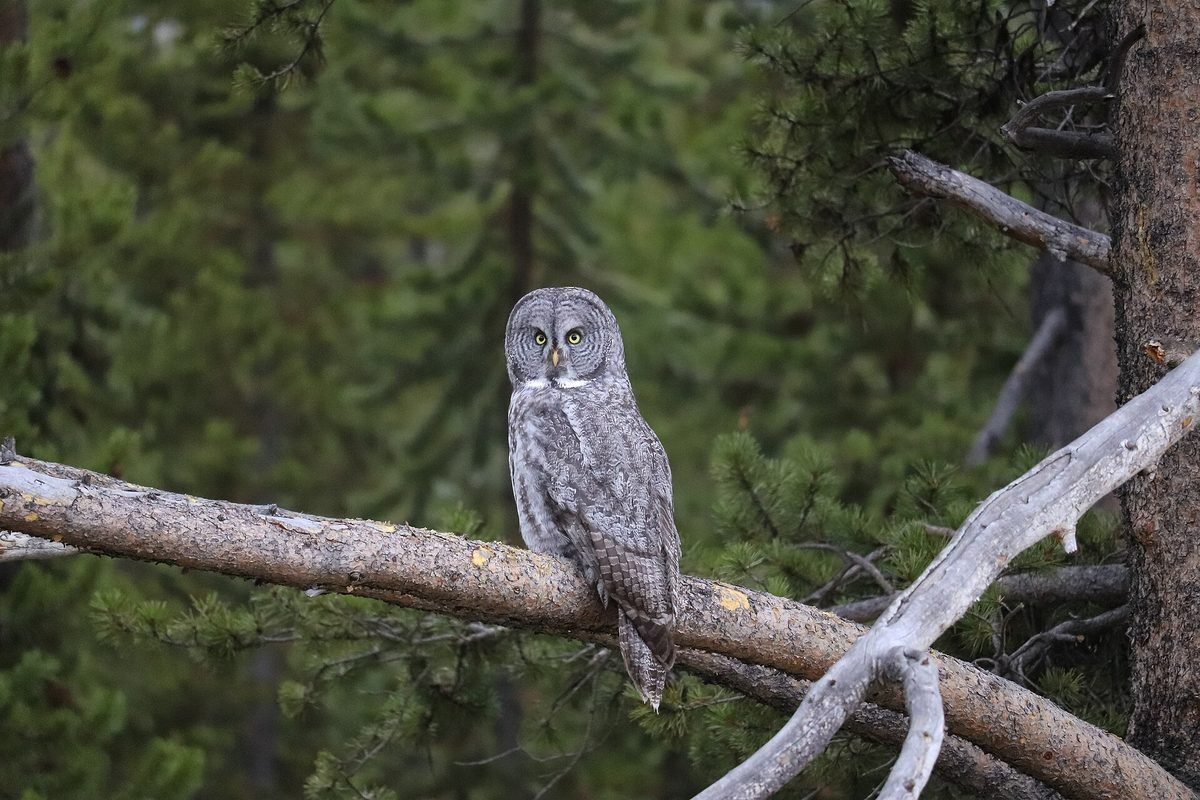
Owls are the birds of the night, heard more often than they are seen. A tawny owl hooting from a wood at dusk, a barn owl gliding pale over a field, or a little owl calling from a barn roof are sounds and sights that stay with you. Owls are also among the easiest birds to identify by ear, because each species has a call of its own, and their shape, with a flat face and forward eyes, is unlike any other bird.
Watching owls needs a different approach from daytime birdwatching: go out at dusk or dawn, listen first, move quietly, and use a torch only briefly, if at all. This guide explains the calls, the field marks, the habitats and the ethics of owl watching, so you can find these night birds without disturbing them.
Owl Field Marks to Check
The facial disc is the key to an owl. Owls have a flat, round face of stiff feathers that funnels sound to their ears, and the shape and colour of that disc help to name them. A tawny owl has a round, pale face with dark eyes, a barn owl has a heart-shaped white face with dark eyes, and a little owl has a flatter face with yellow eyes and white eyebrows. Look at the face first, and the owl will often name itself.
Size, ears and eyes come next. A barn owl is medium-sized and very pale, with long wings and a white underside, while a tawny owl is stockier and brown, mottled like bark. Long-eared owls have ear tufts that stand up like horns, though they are feathers, not ears, and little owls are small, dumpy and often seen in daylight. Eye colour helps too: tawny owls have dark eyes, little owls have yellow eyes, and short-eared owls have yellow eyes ringed with black.
Calls are the most reliable owl clue, because owls call at night when they are hard to see. The tawny owl gives the classic hoot, tu-whit tu-whoo, the barn owl gives a harsh, drawn-out screech, the little owl gives a sharp, yelping kieu, and the long-eared owl gives a soft, low hoo. Learn one call at a time, listen at dusk, and note the place and the hour, because different owls favour different habitats and times.
How to Identify It Step by Step
- Go out at dusk or just before dawn, stand quietly at a woodland edge or field margin, and listen for several minutes.
- Note the call: a hoot, a screech, a yelp or a soft hoo, and how often it repeats, because each owl has its own sound.
- Look for the shape: a round face, ear tufts, a pale underside or a mottled brown body, and note the size beside a familiar bird.
- Check the habitat: barn owls hunt open fields, tawny owls live in woods, and little owls favour barns, orchards and parkland.
- Watch from a distance, use a torch only briefly, and leave quietly, never playing owl calls to lure a bird closer.
Owls You May Meet at Night
- Tawny owl: A stocky brown owl with a round face and dark eyes, giving the classic tu-whit tu-whoo hoot from woods and gardens.
- Barn owl: A pale, ghostly owl with a heart-shaped white face, gliding silently over fields and rough grassland at dusk.
- Little owl: A small, dumpy owl with yellow eyes and white eyebrows, often seen in daylight on a fence post or barn roof.
- Long-eared owl: A slim owl with long ear tufts, roosting in dense trees by day and hunting over fields and woodland edges at night.
- Short-eared owl: A pale owl with yellow eyes, hunting by day over moorland and coastal grassland, with a slow, floppy flight.
Common Mistakes to Avoid
- Playing owl calls to lure an owl closer. Playback stresses owls, wastes their energy and can drive them from a territory, so never use it.
- Using a bright torch on an owl for a long time. Bright light can dazzle a night bird, so use a dim light briefly or none at all.
- Expecting to see an owl in daylight. Most owls roost hidden by day, so dusk and dawn, and listening for calls, are the best times.
- Calling every large owl a tawny. Barn owls are pale and ghostly, long-eared owls are slim with tufts, and size alone does not name an owl.
Owls Through the Seasons and Staying Safe
Owls are present all year, but they are easiest to find in autumn and winter, when the trees are bare and their calls carry further in the cold air. In spring, tawny owls call to defend a territory and feed their young, and in summer, young owls beg loudly from the nest with hissing calls. Look for pellets below a roost tree, whitewash on branches and the remains of prey, because those signs show where an owl roosts even when the bird itself is hidden.
Never approach a nest, a roost or a young owl, and never share the exact location of a nesting owl online, because crowds can disturb the birds and put them at risk. Keep your distance, watch quietly, and enjoy the call rather than the close view. If you find a young owl on the ground, leave it alone and contact a wildlife rescue group, because its parents are usually nearby and will care for it.
Frequently Asked Questions
What is the easiest owl to identify by call?
The tawny owl, with its classic tu-whit tu-whoo hoot, is the easiest owl call for most beginners to learn and recognise.
When is the best time to hear owls?
Dusk and the hours just before dawn are best, especially in autumn and winter, when calls carry further and trees are bare.
Do owls hunt only at night?
Most owls hunt at night, but little owls and short-eared owls often hunt in daylight, especially when feeding young.
What should I do if I find a young owl?
Leave it alone and move away, because its parents are usually nearby, and contact a wildlife rescue group if it looks injured.
Try it yourself: upload a photo to the Tree Identifier and see the identification with full details on this site. Read also: How to Identify Birds by Photo.
Owls are best found by ear first and by sight second: learn the call, note the face, the size and the habitat, and watch at dusk from a distance. Keep quiet, never use playback, and the night birds will reward you with their hoots and silent flight.