
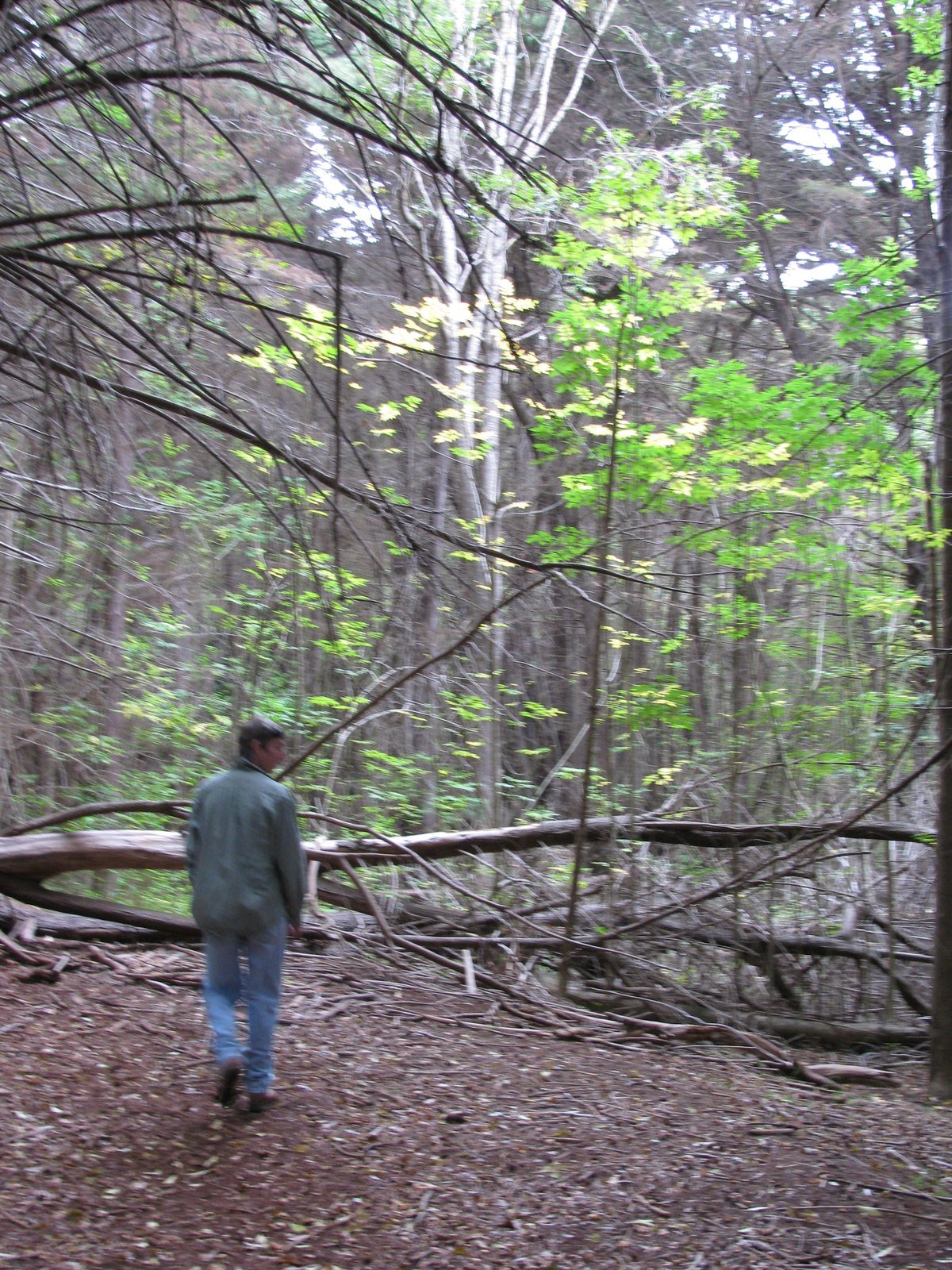
Yellow leaves on a tree can be completely normal, or they can be the first sign of a problem. In autumn, leaves turn yellow, orange and red as the tree prepares for winter, and this is healthy and expected. At other times of year, yellowing can point to drought, waterlogging, poor soil, nutrient shortage, pests or disease.
This guide will help you read that pattern step by step. You do not need to be an expert to narrow down the cause, and in many cases the fix is simple, such as watering during a dry spell or improving the soil around the tree.
First Check: Is It the Season?
Before you worry, check the calendar and the rest of the tree. In autumn, most deciduous trees turn yellow, orange or red before their leaves fall, and the colour change usually starts on the outer branches and spreads evenly across the crown. This is normal, and the leaves will fall cleanly within a few weeks.
Yellowing outside autumn is more likely to signal a problem, especially if it affects young leaves, appears suddenly, or is combined with wilting, leaf drop or dead branches. Spring yellowing on new leaves often points to a nutrient problem or cold damage, while summer yellowing often points to drought or waterlogging.
Water Problems: Too Little and Too Much
Water is the most common cause of yellow leaves in summer. In a dry spell, a tree short of water may turn its leaves yellow and drop them early to save moisture, starting with the older leaves and the outer crown. The leaves may feel dry and crisp, and the soil around the tree will be dry to the touch.
Too much water causes yellowing too, and it is often confused with drought. In waterlogged soil, roots cannot get enough air, so they stop working properly and the leaves turn yellow, wilt and drop. The leaves may feel soft rather than crisp, and the soil will be wet and may smell sour. Poor drainage, heavy clay soil, and planting too deep all make waterlogging more likely.
Nutrient Shortages and Chlorosis
When a leaf turns yellow but its veins stay green, the pattern is called chlorosis, and it often points to a shortage of iron or another nutrient. Iron chlorosis is common on trees growing in alkaline or chalky soils, where iron is present in the soil but the tree cannot absorb it. The yellowing usually starts on the youngest leaves at the tips of the branches, while older leaves stay green for longer.
Nitrogen shortage causes a different pattern: the whole leaf turns a pale, even yellow, starting with the older, lower leaves, and growth is slow. Magnesium shortage often shows as yellowing between the veins on older leaves, sometimes with a green, Christmas-tree pattern along the midrib. These patterns are useful clues, but they are not a diagnosis on their own. A soil test from a local extension service is the best way to confirm a nutrient problem before you add anything to the soil.
Five Steps to Work Out the Cause
Work through these steps before you buy fertiliser or start watering heavily. A careful check saves time and avoids making the problem worse with the wrong treatment.
- Note the pattern. Are young or old leaves affected, is the yellowing even or between the veins, and is it on one branch or the whole tree?
- Check the soil. Push a finger into the soil near the roots. Dry soil suggests drought, while wet, smelly soil suggests waterlogging.
- Look at the weather. Has it been very dry, very wet or very cold in recent weeks, and are nearby trees of the same species affected too?
- Inspect the whole tree. Look for pests, bark damage, cankers and dead branches, since these can also cause yellowing.
- Test before you treat. For a suspected nutrient problem, get a soil test from a local extension service rather than guessing with fertiliser.
Simple Fixes That Often Help
- Water young trees deeply during dry spells, soaking the root zone rather than the leaves.
- Mulch around the tree to hold moisture, keeping mulch a few centimetres from the trunk.
- Improve drainage for waterlogged trees by avoiding overwatering and heavy soil compaction.
- Avoid feeding a stressed tree with strong fertiliser, which can damage roots.
Common Mistakes to Avoid
- Adding fertiliser before you know the cause. Fertiliser will not fix drought, waterlogging or disease, and it can harm stressed roots.
- Watering a waterlogged tree more. If the soil is already wet, more water makes the problem worse, so check the soil first.
- Assuming every yellow leaf is a nutrient problem. Season, weather and pests are often the real cause.
- Ignoring a sudden, severe change. Rapid yellowing across the whole crown, with wilting or dieback, needs professional advice.
- Treating only the leaves. The cause is usually in the roots or the soil, so look below the canopy as well as above it.
Frequently Asked Questions
Why are my tree leaves yellow in summer?
Summer yellowing is most often caused by drought or waterlogging, and sometimes by a nutrient shortage. Check the soil first: dry soil points to drought, while wet, heavy soil points to waterlogging.
What does yellow leaves with green veins mean?
Yellow leaves with green veins are called chlorosis, and they often point to an iron shortage, especially in alkaline or chalky soils. The youngest leaves are usually affected first.
Can a tree recover from yellow leaves?
Yes, often. If the cause is drought, a good watering and mulching routine usually brings new, green growth.
When should I call an arborist about yellow leaves?
Call one if the yellowing is sudden and severe, if it affects the whole crown, if branches are dying back, or if the tree is large or near a building. An arborist can check the roots, soil and crown and advise whether the tree needs treatment, pruning or more investigation.
Yellow leaves are a message from the tree, not a diagnosis on their own. Read the pattern, check the soil and the season, and fix the cause rather than the symptom. If you need help naming the tree, use the tree identifier, and read how to spot sick trees and how to use the tree disease identifier for more guidance. For sudden, severe or spreading yellowing, a local arborist or extension service is the safest next step.
Featured image: Wikimedia Commons (CC / public domain).