
Blog
Identification guides, nature articles and safety advice.
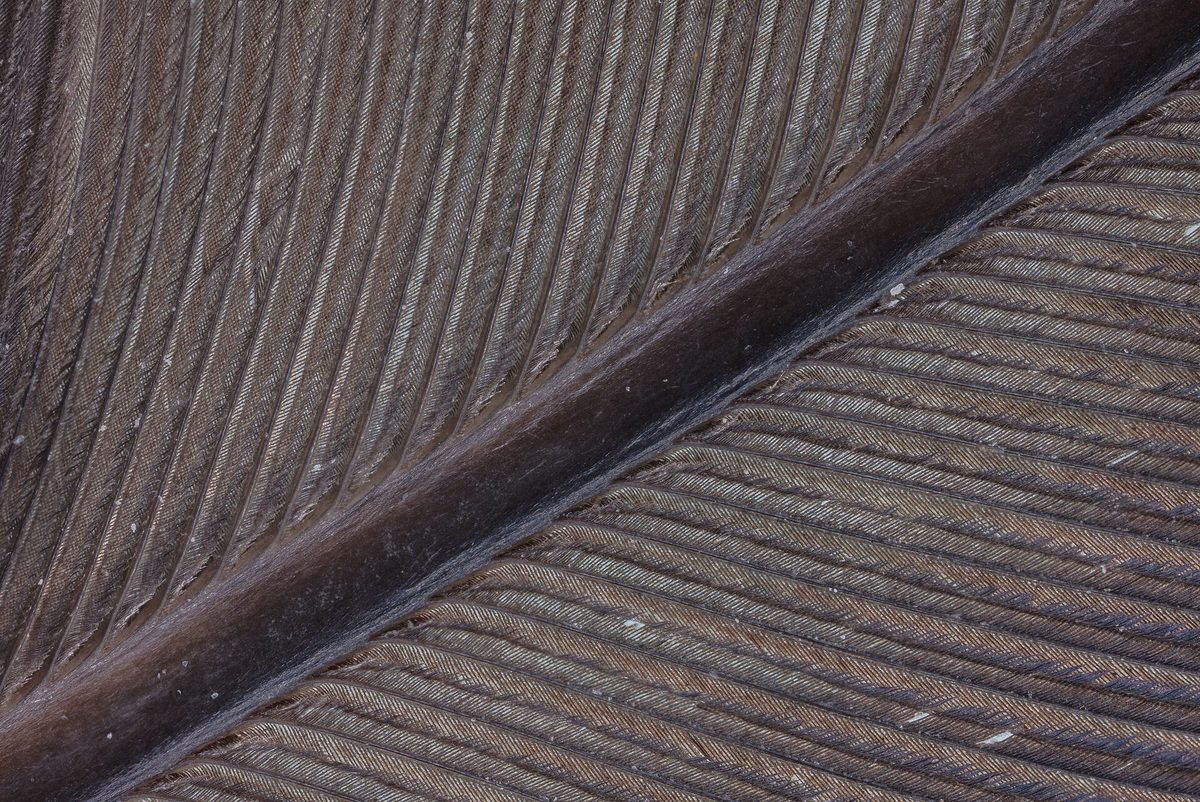
Identifying Birds by Feathers and Tracks
Identify birds from feathers and tracks left behind. Size, colour, pattern and footprints reveal which birds visited a garden, wood or shore.
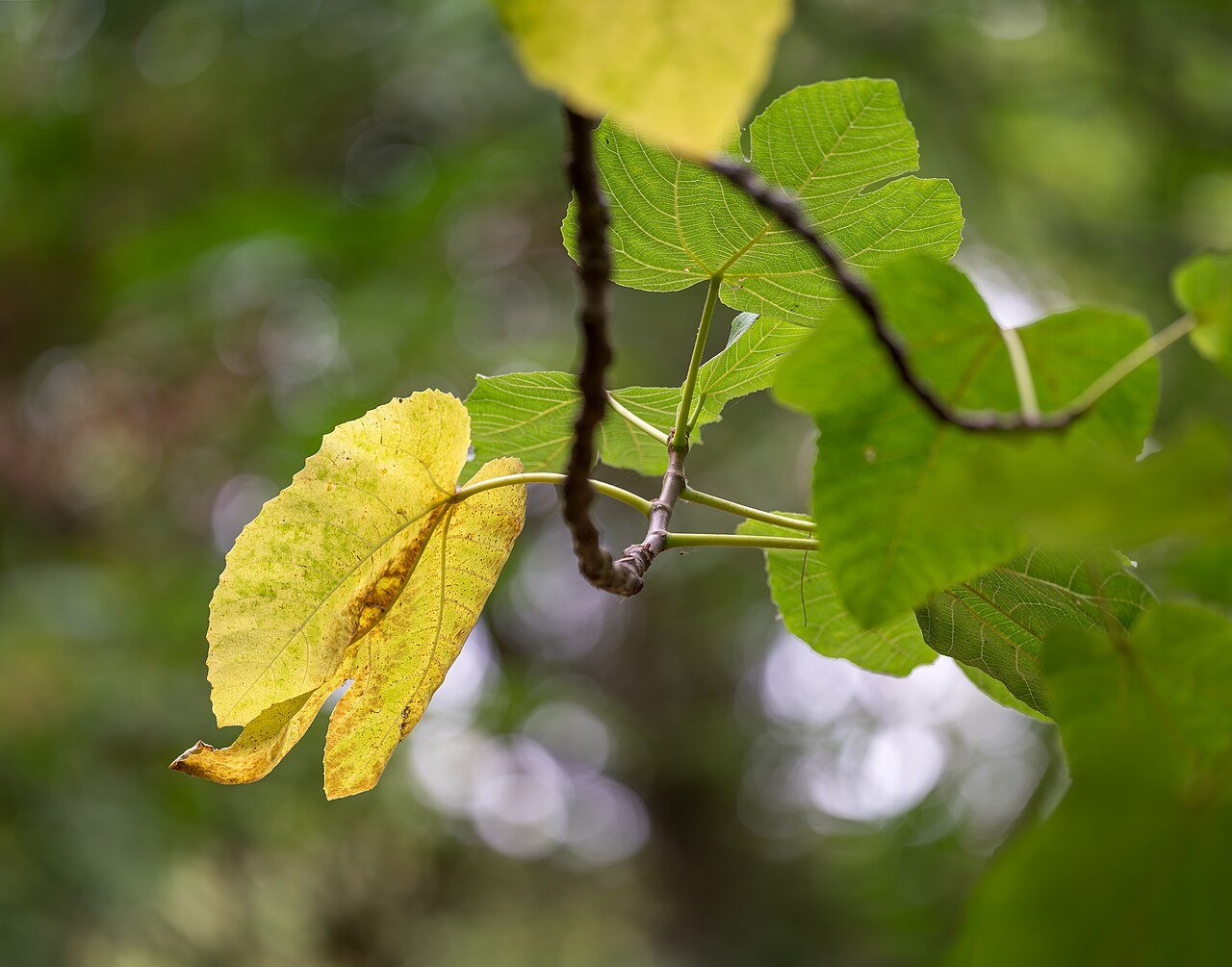
Fig Tree Identification Guide: Lobed Leaves, Milky Sap and Sweet Fruit
How to identify a fig tree (Ficus carica): large lobed leaves, milky sap, smooth grey bark, and soft sweet fruit that ripens in summer.
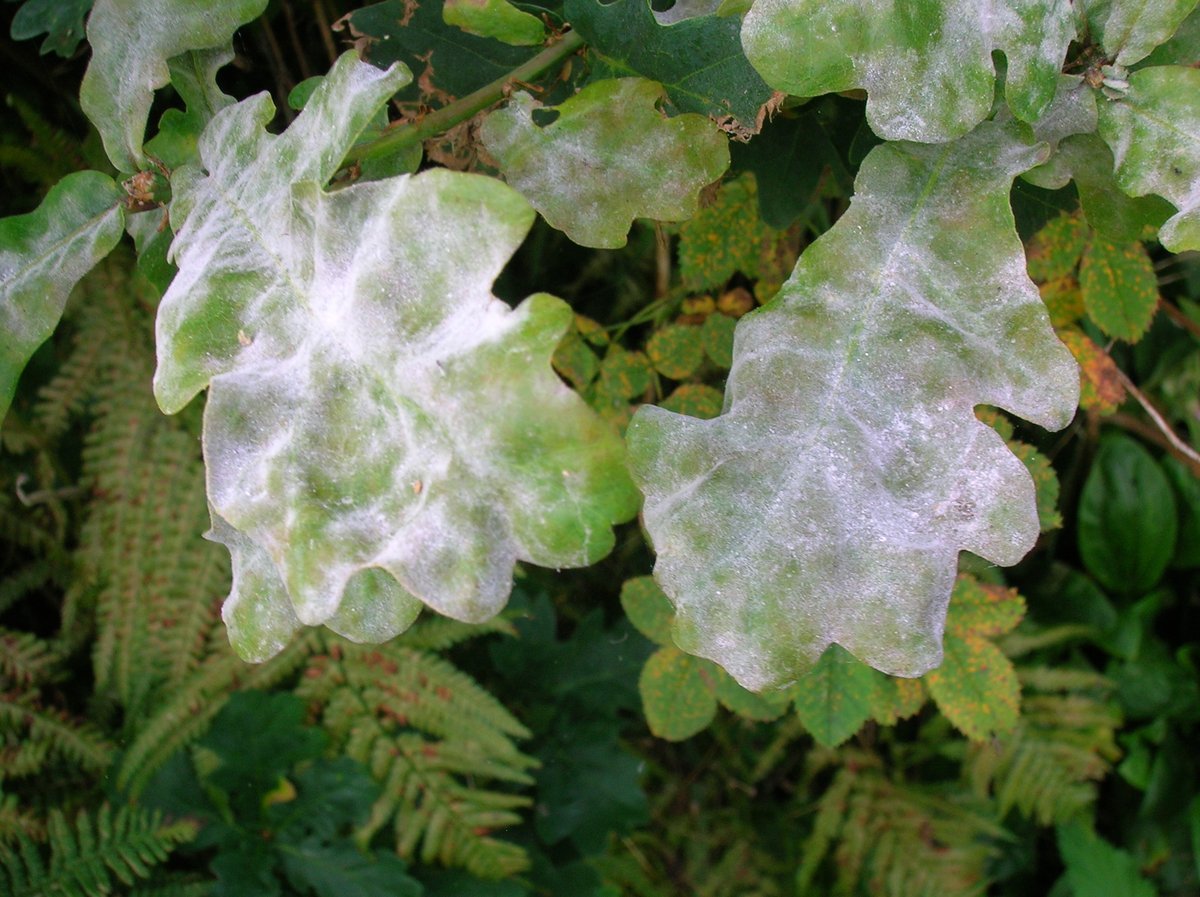
Powdery Mildew on Trees: Identification and Safe Treatment
Powdery mildew coats leaves in a white, dusty film. Learn how to identify it, why it appears, and the safe, simple steps that help trees recover.
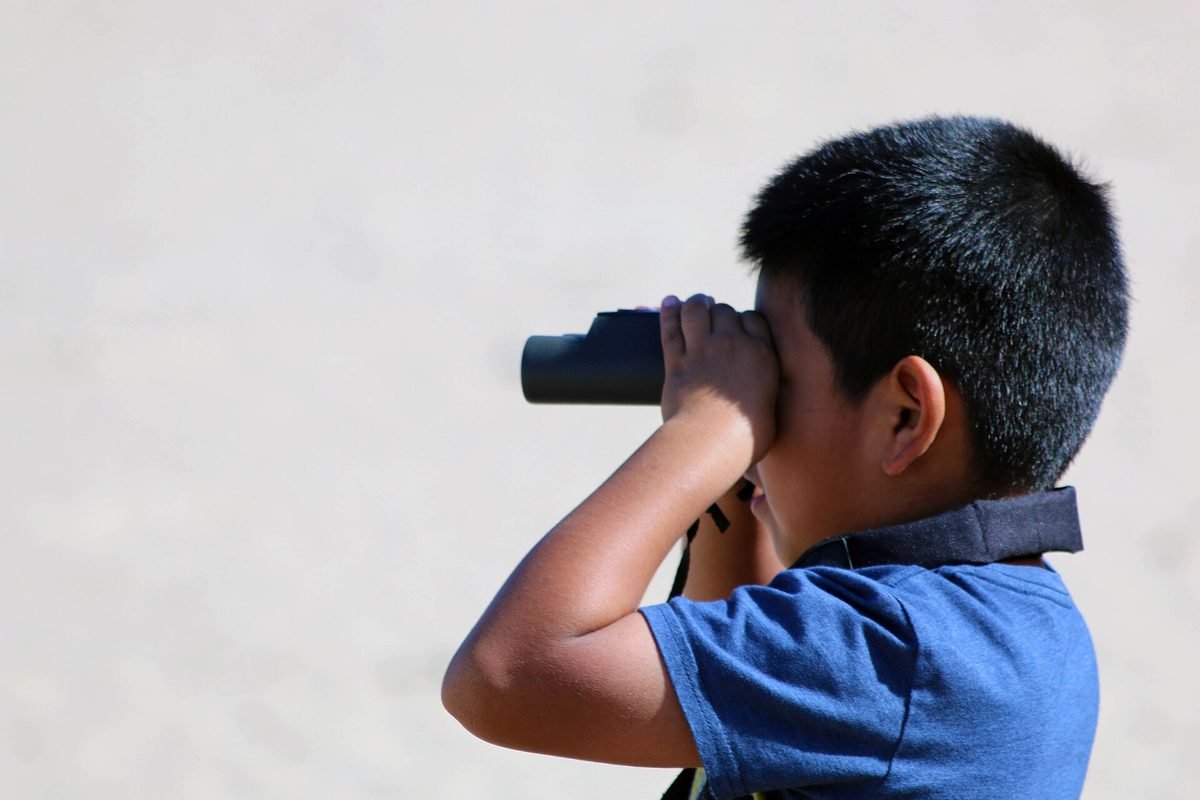
How to Start Birdwatching: A Beginner Guide
Start birdwatching with simple gear, a good local spot and a notebook. Learn the first birds, the ethics and the habits that make watching rewarding.
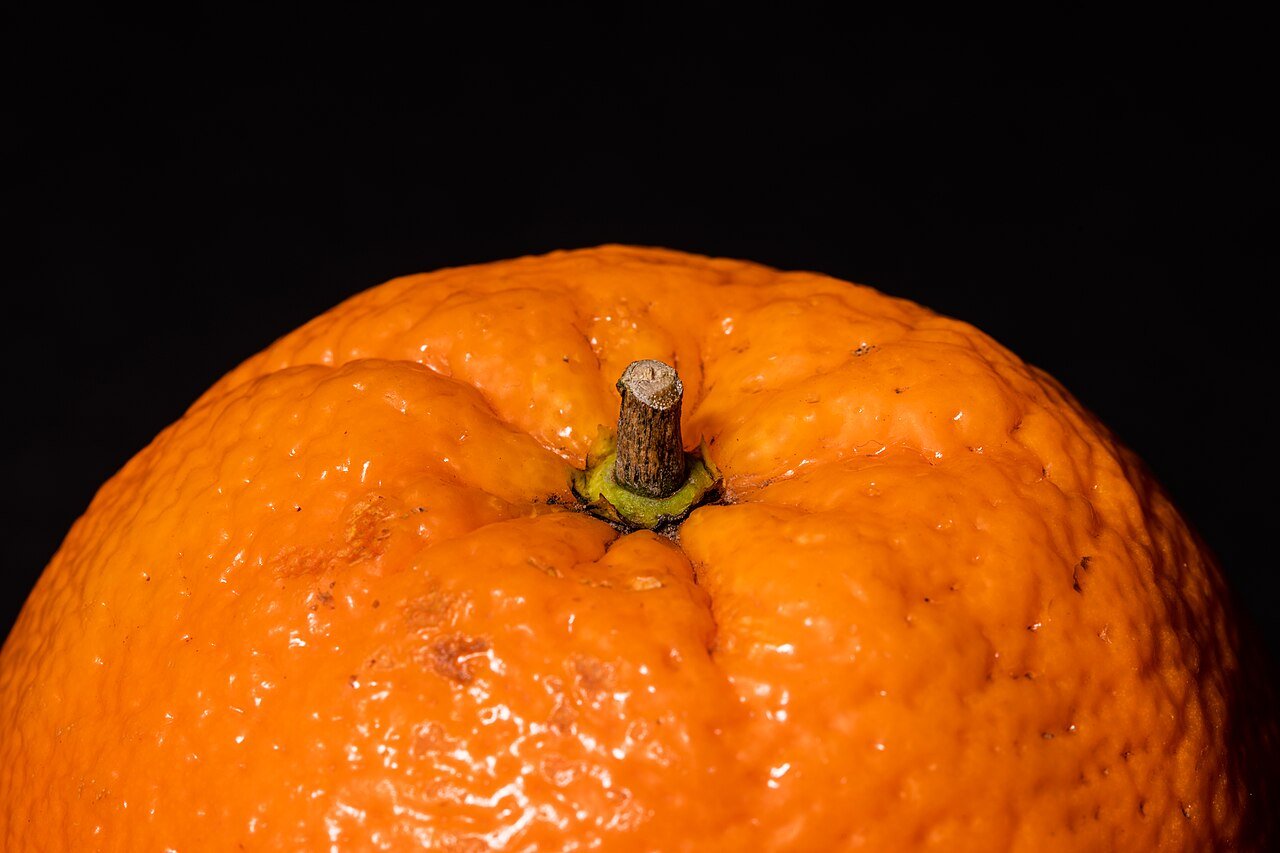
Citrus Tree Identification Guide: Lemon, Orange and Lime Trees
How to identify a citrus tree: glossy evergreen leaves, fragrant white flowers, round segmented fruit, and the scent that gives every citrus away.
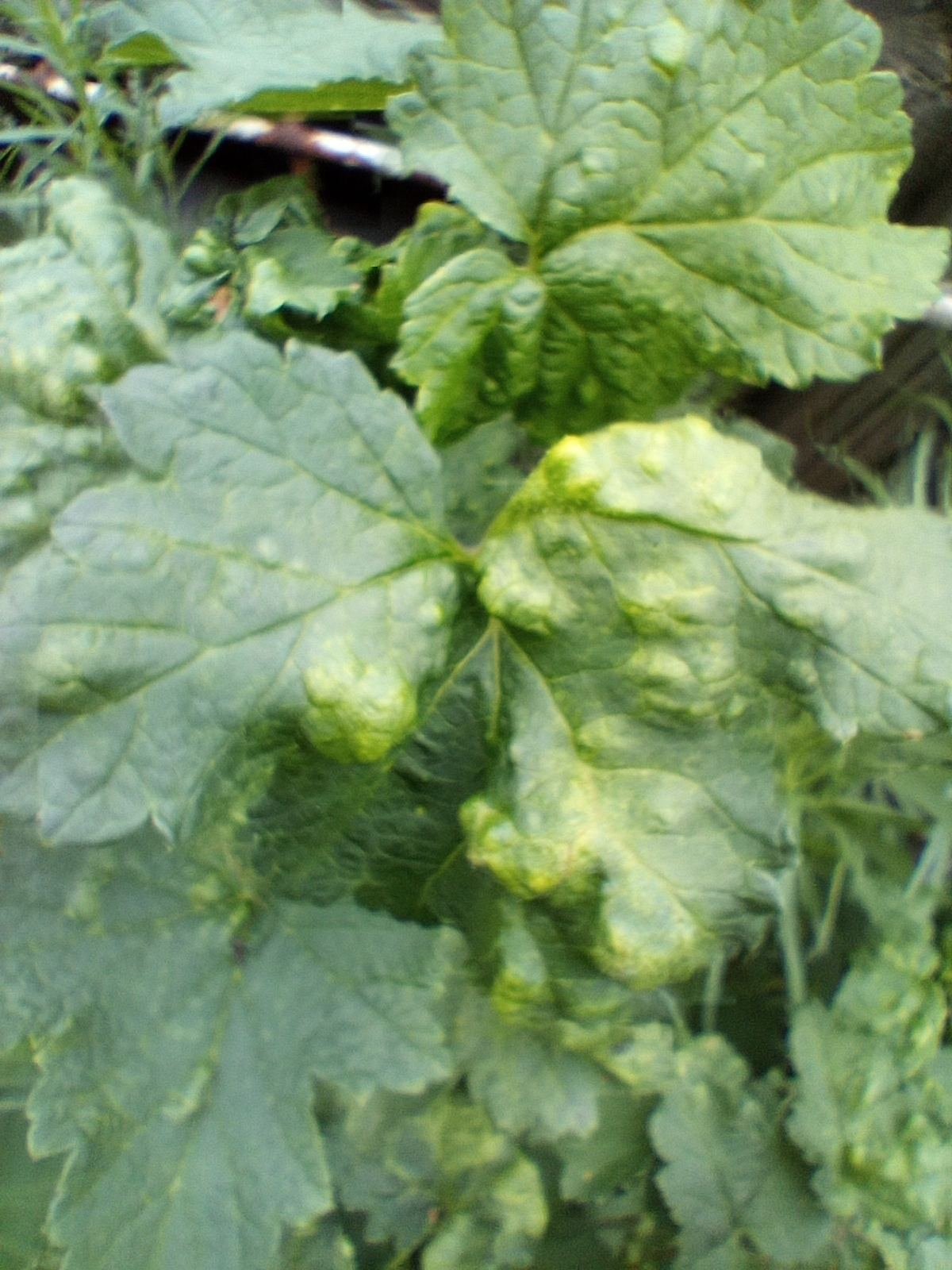
How to Identify Tree Pests by the Damage They Leave
Pests are often hidden, but their damage is not. Learn to read chewed leaves, bored holes, galls and sap to work out which pest is at work on your tree.

Waterbirds Identification Guide: Ducks, Herons and More
Identify waterbirds at lakes, rivers and coasts. Bill shape, neck, legs and behaviour separate ducks, herons, geese, swans and waders.
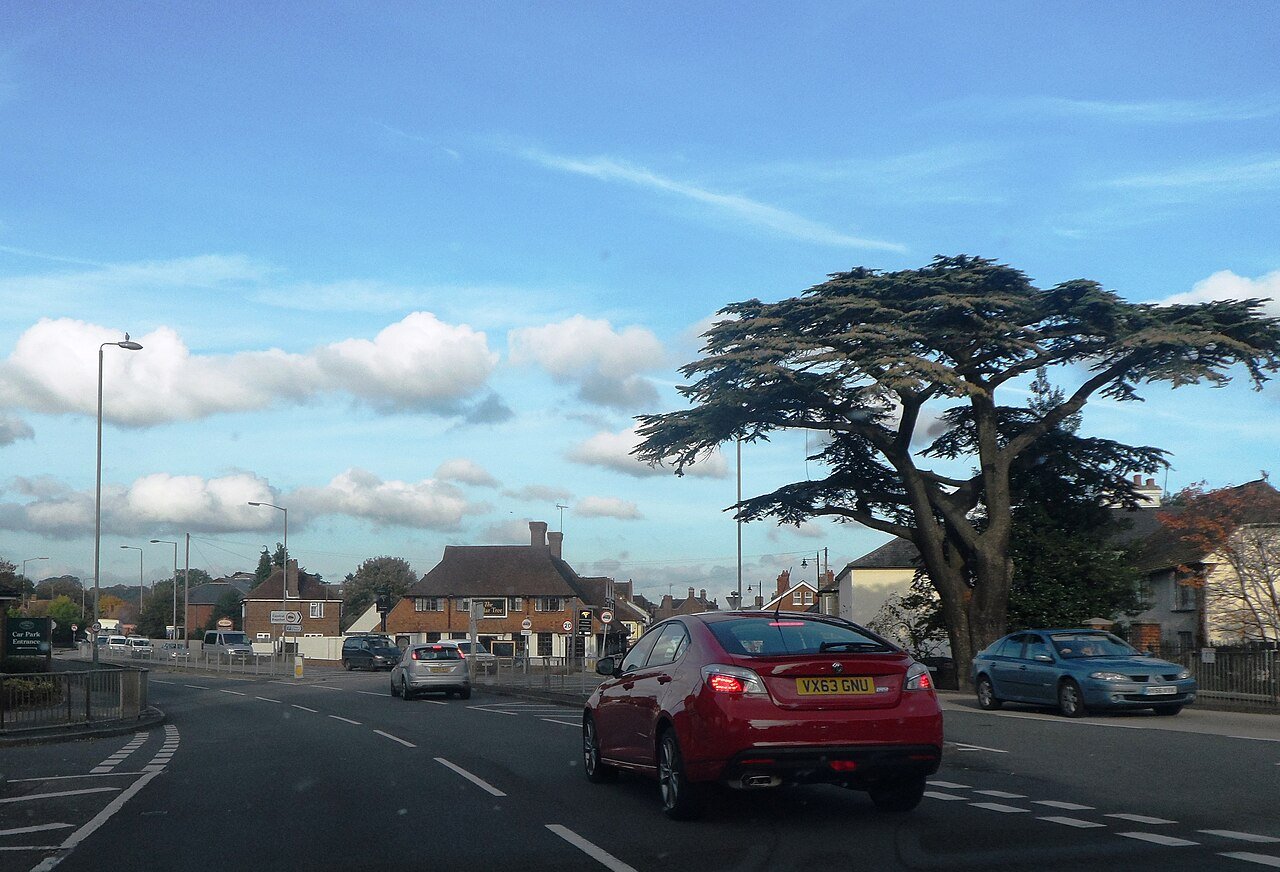
Cedar Tree Identification Guide: Needles, Cones and Fragrant Wood
How to identify a cedar tree (Cedrus): short needles in clusters, upright barrel-shaped cones, level branches and fragrant, durable wood.

Canker Diseases in Trees: Signs, Causes and What to Do
Cankers are sunken, dead patches of bark that can girdle branches and trunks. Learn the warning signs, the common causes, and the safe steps to take.